
Happy Heart Health Month
February marks American Heart Month, a national reminder that cardiovascular health plays a vital role in overall well-being. Winter conditions can make it challenging to stay active, particularly due to shorter daylight hours, cold weather, and icy walkways. But consistent, low-impact mobility throughout the winter supports heart health, reduces stress, and improves mental clarity. Even 10-20 minutes a day can measurably improve blood pressure, mood, and endurance heading into spring.

Provider Spotlight
Chelsey Barroso
Physical Therapist
Meet Chelsey: Neuro PT, brain doodler, mountain convert, and proud chicken wrangler. She left Los Angeles with her husband, Max, swapping palm trees for pine trees. Chelsey taught in USC’s DPT program and worked at Rancho Los Amigos Rehabilitation Hospital before discovering that life (and PT) is truly better at altitude.
Chelsey has been with Tahoe Forest Therapy Services for 5 years and now serves as the Manager of Physical Therapy in Truckee, California. Her specialty? The nervous system! She treats concussions, dizziness, headaches, and a wide range of neurological conditions, and her desk is often covered in sketches of neurons and vestibular pathways to prove it.
When she’s not helping patients navigate recovery, Chelsey can be found adventuring with her daughter Lucy, her three dogs, and her six chickens, who contribute absolutely nothing to rent. She is a Board-Certified Neurologic Clinical Specialist and is currently pursuing her Advanced Vestibular Physical Therapist (AVPT) certification, expected in April 2026.
Contact info
Tahoe Forest Sports Medicine & Therapy Services
10710 Donner Pass Road, 2nd floor, Truckee, CA 96161
Tahoe Forest Orthopedics & Sports Medicine
10051 Lake Avenue, Ste. 3, Truckee, CA 96161
(530) 587-7461 | tfhd.com/orthopedics
Incline Orthopedics & Sports Medicine
880 Alder Ave, 2nd Floor, Incline Village, NV 89451
Featured Therapy
Why movement matters for your heart
From a rehabilitation and therapy standpoint, movement acts as medicine for the cardiovascular and nervous systems. Aerobic activity strengthens the heart muscle, while mobility and recovery practices support circulation, reduce muscle tension, and improve joint health.
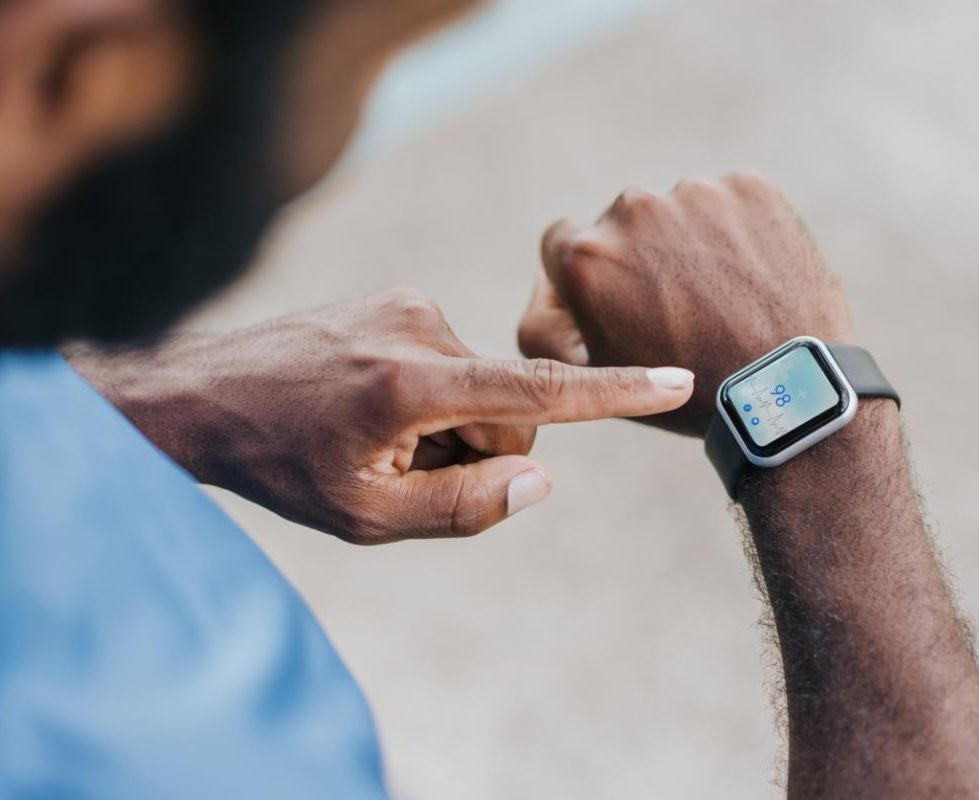
You may also hear healthcare providers talk about Heart Rate Variability (HRV), which is a measure of how well your nervous system adapts to stress, recovery, and physical activity. HRV looks at the small variations in time between heartbeats, not how fast your heart is beating.
- Higher HRV generally reflects better recovery, resilience, and cardiovascular adaptability
- Lower HRV can be associated with fatigue, stress, illness, poor sleep, or overtraining
From a therapy perspective, HRV provides insight into how your body is responding to training, recovery, and life stress. It reinforces why balanced movement, not just intensity, matters for long-term heart health.
How is HRV measured?
Wearable devices (smartwatches, chest straps, fitness rings) can track HRV, most accurate at rest, often first thing in the morning or during sleep. Trends over time matter more than a single daily value.
Ways to improve or regulate HRV
- Consistent aerobic activity (walking, cycling, skiing) at moderate intensity
- Slow, controlled breathing (longer exhales calm the nervous system)
- Good sleep hygiene and regular sleep schedules
- Recovery practices such as stretching, yoga, or foam rolling
- Managing stress through mindfulness or gentle movement
Winter-friendly movement options
- Winter walks with traction aids: boosts circulation & endurance
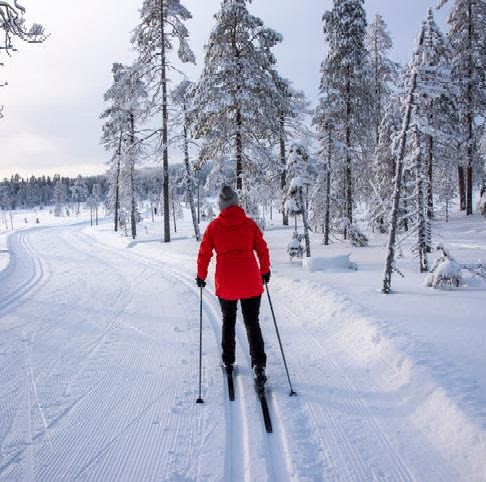
- Nordic skiing: excellent low-impact aerobic training
- Indoor cycling or rowing: controlled environment, steady heart rate zones
- Gentle yoga: regulates breathing, supports HRV & lowers stress hormones
- Foam rolling and stretching: enhances recovery, mobility & nervous system balance
Even brief sessions contribute to better heart and nervous system health, consistency beats intensity during winter months.
Injury Prevention Corner
Staying consistent when the mountain is calling
Staying active during the winter is important, but so is staying safe. Learn exercises that support cardiovascular fitness and reduce injury risk on slick surfaces or during winter sports.
Tip: Warming up indoors for at least 5 minutes before going outside lowers the risk of muscle strain in cold weather and improves neuromuscular control, helpful for both fall prevention and HRV regulation.
Heart health Q&A
Q: Do I need a full workout to benefit my heart?
A: No! Research shows that 10-20 minutes of moderate activity (walking, stairs, home circuits) provides measurable cardiovascular benefits when performed consistently throughout the week.
Q: I avoid outdoor exercise because of ice — what are my options?
A: Indoor alternatives like stationary biking, rowing, walking pads, yoga, or bodyweight circuits are equally effective. If you choose outdoor walking, traction aids and trekking poles improve stability.
Q: Does foam rolling count as exercise?
A: Foam rolling isn’t aerobic, but it helps recovery, circulation, mobility, and pain reduction—indirectly supporting safe cardiovascular exercise and improving nervous system balance, which can benefit HRV.
Q: How often should I move for heart health?
A: The American Heart Association recommends 150 minutes/week of moderate-intensity activity. In winter, that might look like 15-25 minutes a day, or longer sessions on weekends.