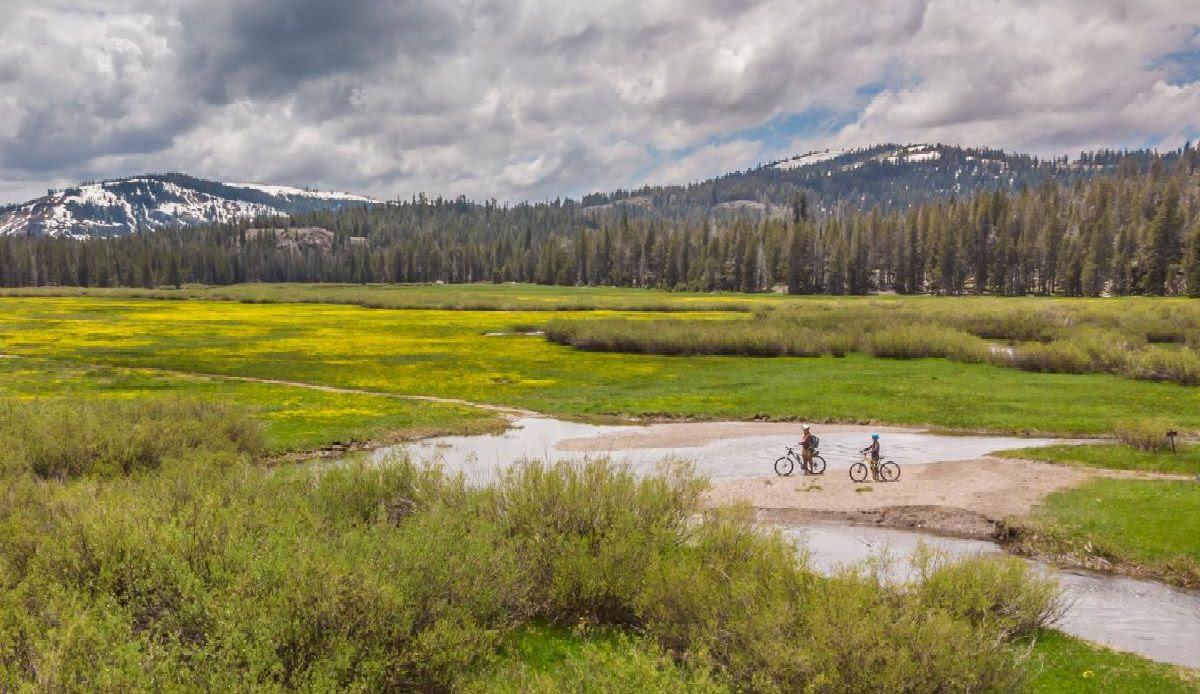
One Day Powder, Next Day Dirt
April in the mountains is one of the most dynamic and challenging times of year for staying active. One weekend might bring fresh powder, while the next has you swapping ski boots for trail shoes.
This rapid shift in conditions can catch even seasoned athletes off guard. As we transition from winter sports to spring activities, your body is also adjusting to new movement patterns, surfaces, and demands.
The result? A spike in preventable injuries.
This month, we’re focusing on how to stay healthy, active, and injury-free during the shoulder season.
Injury Prevention Corner
Stay ahead of the season
Changing conditions = changing risks. Here’s what to watch for this time of year.
Slushy snow
- Heavier, inconsistent snow can increase strain on the knee = higher knee injury risk.
- Be cautious with late-season skiing when conditions are variable.
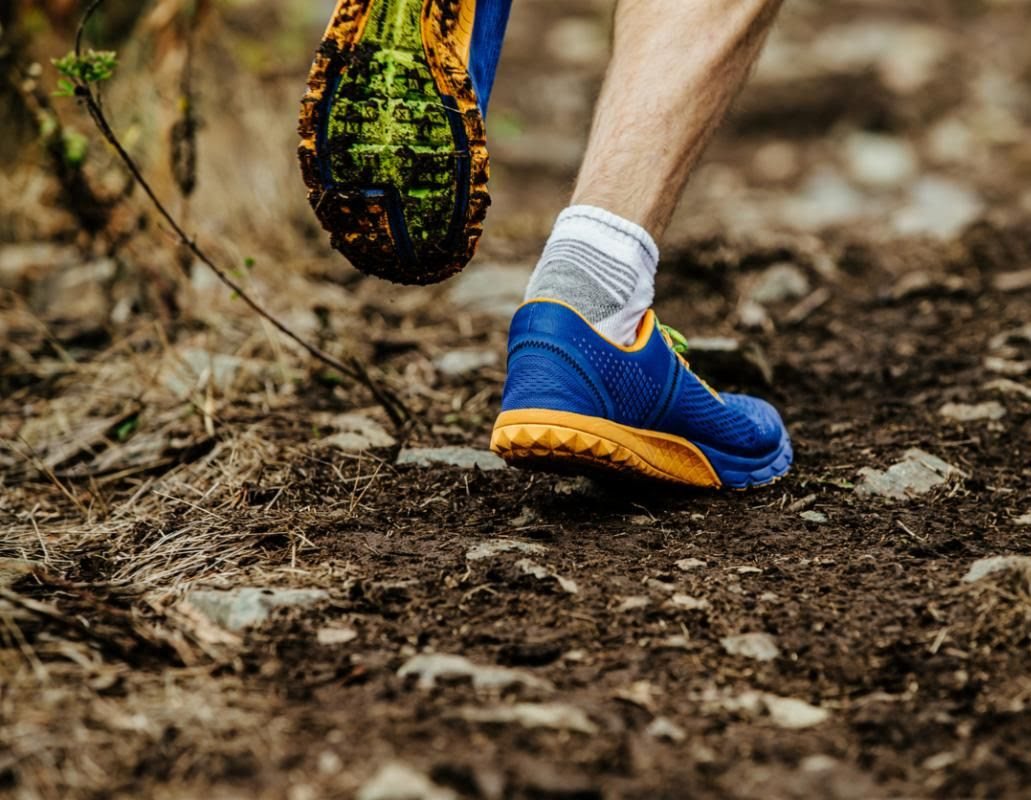
Muddy & uneven trails
Soft ground and hidden obstacles increase the risk of:
- Ankle sprains
- Slips and falls
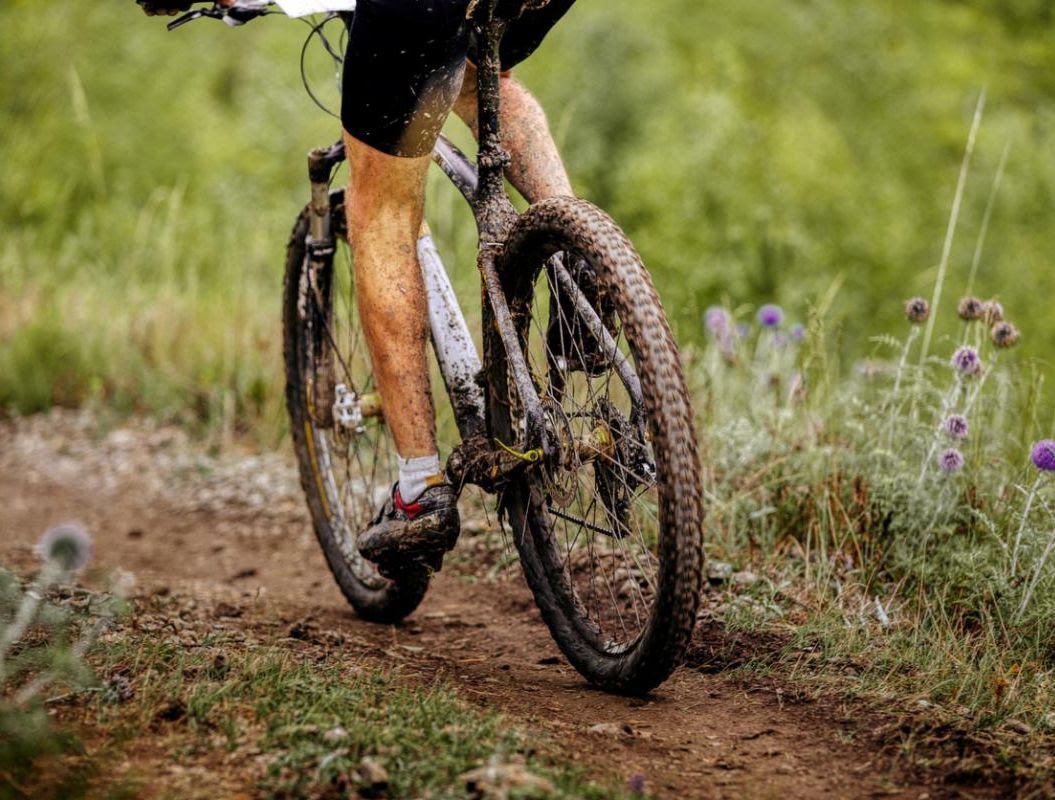
Early season terrain
- Trails may be wet, loose, or partially frozen.
- Reduced traction can lead to crashes, especially early in the season.
Simple ways to reduce risk
- Adjust footwear: Match your shoes to conditions (traction matters).
- Lower intensity early: Don’t go “full send” on your first few outings.
- Warm up dynamically: Prep your body for uneven terrain.
- Strengthen stabilizers: Focus on ankles, hips, and core.
- Check conditions: Trail and weather variability matter more than usual.
Contact info
Tahoe Forest Sports Medicine & Therapy Services
10710 Donner Pass Road, 2nd floor, Truckee, CA 96161
Tahoe Forest Orthopedics & Sports Medicine
10051 Lake Avenue, Ste. 3, Truckee, CA 96161
(530) 587-7461 | tfhd.com/orthopedics
Incline Orthopedics & Sports Medicine
880 Alder Ave, 2nd Floor, Incline Village, NV 89451
Featured Therapy
Your body is in transition too
Switching from skiing or snowboarding to hiking, running, or biking isn’t just a gear change; it’s a full-body adjustment.
Winter activities often emphasize:
- Quads and static strength
- Forward-flexed posture
- Controlled, symmetrical movement
Spring activities demand:
- Calf and Achilles flexibility
- Ankle stability on uneven terrain
- Rotational and dynamic movement
Quick tip: Start with shorter sessions and build gradually. Even if you stayed active all winter, your body needs time to adapt to new stresses.
Q&A
Q: Why do I feel more sore starting spring activities, even if I stayed active all winter?
A: You’re using different muscle groups and movement patterns. Skiing fitness doesn’t directly translate to running or hiking fitness.
Q: When is it safe to push intensity again?
A: A good rule: give yourself 2–3 weeks of gradual build-up before returning to higher intensity or longer efforts.
Q: Are ankle sprains more common this time of year?
A: Yes. Uneven, soft, or unstable surfaces increase the likelihood—especially when your body isn’t fully adapted yet.
Q: What’s the biggest mistake people make in April?
A: Doing too much, too soon. Motivation is high, but tissues aren’t ready for sudden spikes in load.