Hit the Ground Running
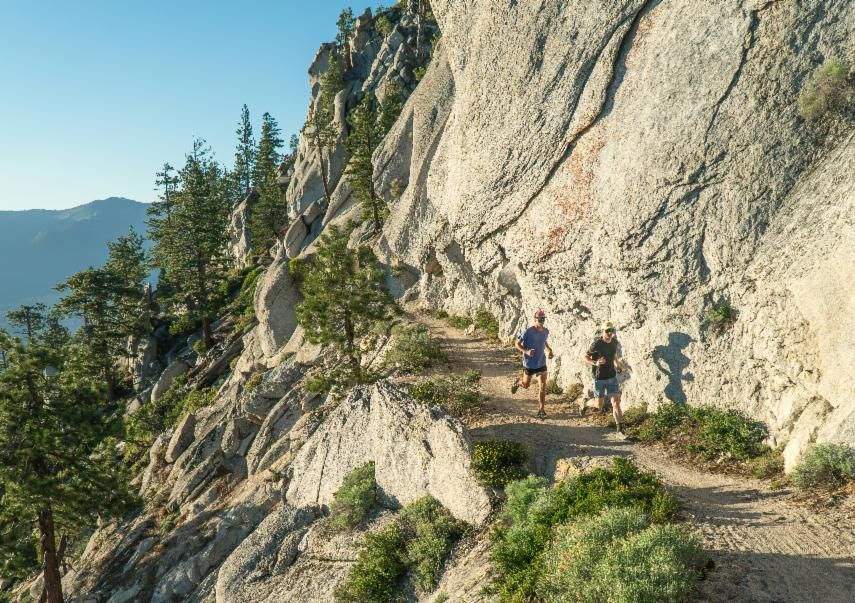
Trail running season is here, and our community is gearing up for one of the biggest events of the summer, the Broken Arrow Skyrace! Tahoe Forest Health System is proud to once again support this incredible event that brings athletes from around the world to our trails and mountains.
Trail running offers a unique combination of endurance, strength, mental resilience, and connection to the outdoors. Whether you are training for your first 5K trail race, preparing for an ultra-distance event, or simply enjoying local trails recreationally, staying healthy and injury-free is essential for long-term performance and enjoyment.
At Tahoe Forest Sports Medicine and Therapy Services, our team is passionate about helping athletes of all levels stay active and perform at their best. Through sports medicine care, therapy services, athletic training, and injury prevention education, we are here to support our trail running community throughout the season.
Good luck to all athletes participating in Broken Arrow Skyrace, we look forward to cheering you on!

Provider Spotlight
Adrienne Rossi, DPT
Physical Therapist
Adrienne Rossi is a dedicated physical therapist based in Truckee, California, with a passion for helping patients return to the activities they love. She earned her Doctor of Physical Therapy degree from Mount Saint Mary’s University, where she developed a strong clinical foundation and commitment to patient-centered care.
Adrienne specializes in both neurologic rehabilitation and sports orthopedics, allowing her to work with a diverse range of patients—from individuals recovering from neurological conditions to athletes aiming to optimize performance and recover from injury. She takes an individualized approach to care, combining evidence-based treatment with functional, movement-driven strategies to help each patient achieve their personal goals.
Living in the Sierra Nevada region, Adrienne brings her love for an active lifestyle into her practice. Outside the clinic, she enjoys swimming, hiking, camping, rock climbing, and skiing. Her personal connection to outdoor recreation gives her a unique perspective in helping patients safely return to the sports and activities they enjoy most.
Contact info
Tahoe Forest Sports Medicine & Therapy Services
10710 Donner Pass Road, 2nd floor, Truckee, CA 96161
Tahoe Forest Orthopedics & Sports Medicine
10051 Lake Avenue, Ste. 3, Truckee, CA 96161
(530) 587-7461 | tfhd.com/orthopedics
Incline Orthopedics & Sports Medicine
880 Alder Ave, 2nd Floor, Incline Village, NV 89451
Featured Therapy
Trail Running Recovery: What Your Body Needs
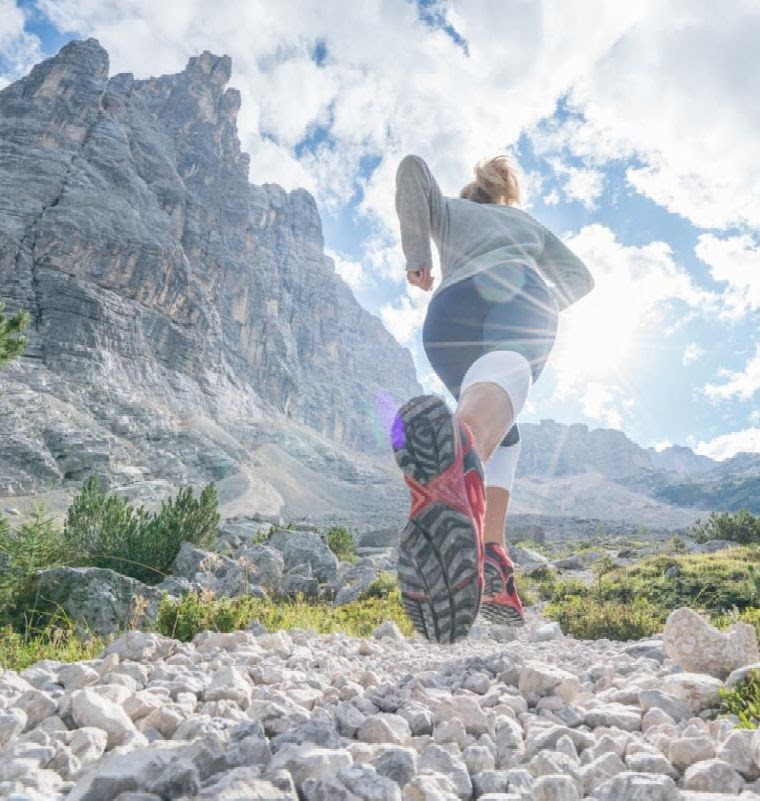
Trail running challenges the body differently from road running. Uneven terrain, steep climbs, descents, and altitude place increased demands on muscles, joints, and balance systems.
Key recovery tips for trail runners:
- Prioritize mobility: Focus on calf, hip flexor, glute, and ankle mobility after runs.
- Strength matters: Incorporate single-leg strength and stability exercises 2–3 times per week.
- Fuel properly: Recovery nutrition within 30–60 minutes after activity helps repair muscle tissue and restore energy.
- Don’t skip recovery days: Rest and lighter movement days help prevent overuse injuries.
- Listen to early warning signs: Persistent soreness, swelling, or pain that changes your gait should not be ignored.
Common ttrail running injuries we see:
- Achilles tendinopathy
- IT band irritation
- Ankle sprains
- Patellofemoral knee pain
- Plantar fasciitis
- Stress injuries
Sports Medicine and Therapy Services can help runners improve movement patterns, address muscle imbalances, and safely return to activity after injury.
Injury Prevention Corner
Smart Training for the Trails
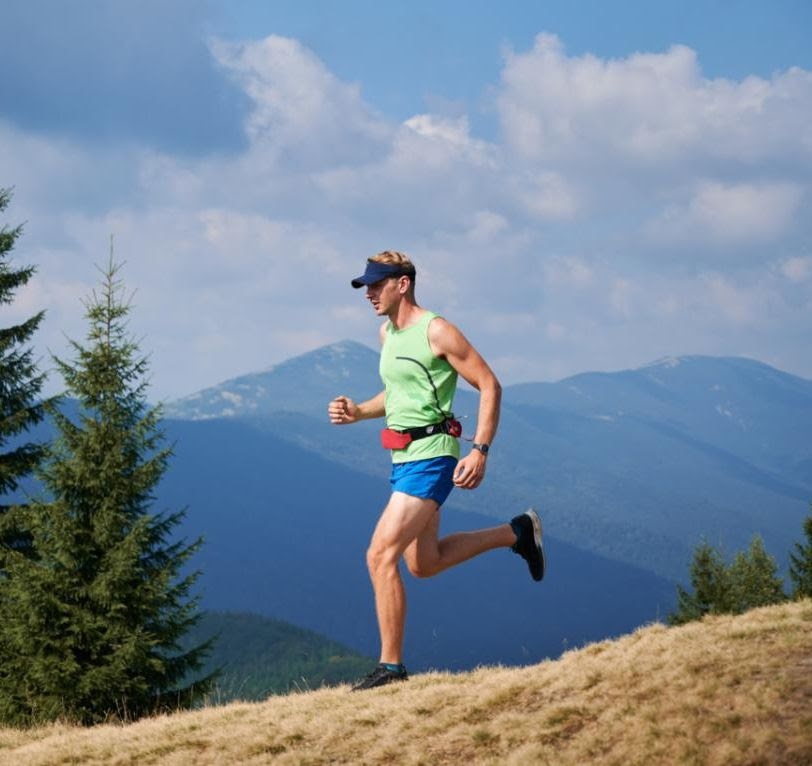
One of the most common mistakes trail runners make is increasing mileage or elevation gain too quickly. Mountain terrain adds stress to the body, especially during downhill running.
Tips to reduce injury risk:
- Gradually increase training: Avoid sudden jumps in mileage, pace, or vertical gain. A gradual build helps tissues adapt safely.
- Train for downhill running: Downhill running places high eccentric load on the quads and knees. Practice controlled descents and strengthen the lower body.
- Focus on footwear: Trail shoes should provide proper grip, stability, and support for the terrain you are running on.
- Hydrate for altitude: Tahoe’s climate and elevation increase hydration needs. Begin hydrating before your run and replenish electrolytes during longer efforts.
- Include balance and stability work: Trail surfaces are unpredictable. Improving balance and ankle stability can help reduce the risk of falls and ankle sprains.
- Know when to recover: Fatigue increases the risk of injury. Rest is a critical part of performance and training progression.
Here are some exercises that may help you prevent injuries:
Running Q&A
Q: How is trail running different from road running?
A: Trail running places greater demands on balance, coordination, stabilizing muscles, and cardiovascular endurance due to uneven terrain and elevation changes.
Q: When should I seek medical evaluation for running pain?
A: Pain that persists beyond a few days, worsens during activity, causes swelling, or changes your running mechanics should be evaluated.
Q: Is strength training important for runners?
A: Absolutely. Strength training improves performance, stability, and durability while helping reduce overuse injuries.
Q: What is the best way to recover after a long trail run?
A: Hydration, nutrition, mobility work, sleep, and light recovery movement are all important parts of recovery.
Q: Can beginner runners participate in trail races?
A: Yes! Many races offer beginner-friendly distances. Start gradually, train consistently, and focus on enjoying the experience.