Center News
Prediabetes is a Warning — And an Opportunity to Take Action
More than 2 in 5 American adults have prediabetes, but most don’t know it. According to updated 2026 estimates from the Centers for Disease Control and Prevention (CDC), approximately 115.2 million U.S. adults have prediabetes, and about 8 in 10 are unaware they have it.
Prediabetes means blood sugar levels are higher than normal, but not yet high enough for a diagnosis of type 2 diabetes. It is an important warning sign—but it can also be an opportunity to make changes that protect your health.
The good news: Type 2 diabetes can often be prevented
Research has consistently shown that lifestyle changes can significantly reduce the risk of progressing from prediabetes to type 2 diabetes. The original Diabetes Prevention Program found that a structured lifestyle intervention reduced the risk of developing type 2 diabetes by 58%. The CDC’s National Diabetes Prevention Program is based on this evidence and focuses on achievable changes in eating habits, physical activity and weight management.
The goal isn’t perfection. Even modest changes can make a meaningful difference. For people with prediabetes, the National Diabetes Prevention Program encourages working toward 5%–7% weight loss and at least 150 minutes of physical activity each week.
You don’t have to do it alone
Tahoe Forest Health System’s (TFHS) Prevent T2 Diabetes Prevention Program provides education, accountability and support to help participants turn healthy intentions into sustainable habits.
With Prevent T2, participants receive:
- A proven program designed to prevent or delay type 2 diabetes
- A CDC-approved curriculum led by a trained lifestyle coach
- A year-long program, with weekly meetings during the first six months followed by monthly or twice-monthly meetings during the second six months
- Support and encouragement from others working toward similar health goals
- Practical strategies for healthy eating, physical activity, weight management and stress reduction
If you’ve been told you have prediabetes—or think you may be at risk—talk with your healthcare provider about getting your blood sugar tested. Taking action early can make a lasting difference.
Your health today can help shape your health for years to come. Join the FREE Discovery Session to learn more about TFHS Prevent T2 – Diabetes Prevention Program and meet the instructor.
Discovery Session – Prevent T2 – Diabetes Prevention Program
When: September 21, 2026
Time: 4 to 5:15 pm
Cost: FREE
Location: Tahoe Forest Wellness, Truckee
Prevent T2 Diabetes: Upcoming Program
When: Starting October 5, 2026 to September 20, 2027
Time: 4 to 5:15 pm
Cost: FREE
Location: Tahoe Forest Wellness, Truckee
Call Tahoe Forest Wellness to register for the FREE Discovery Session at (530) 587-3769.
Rethink Healthy
Continuous Glucose Monitors: What to Know
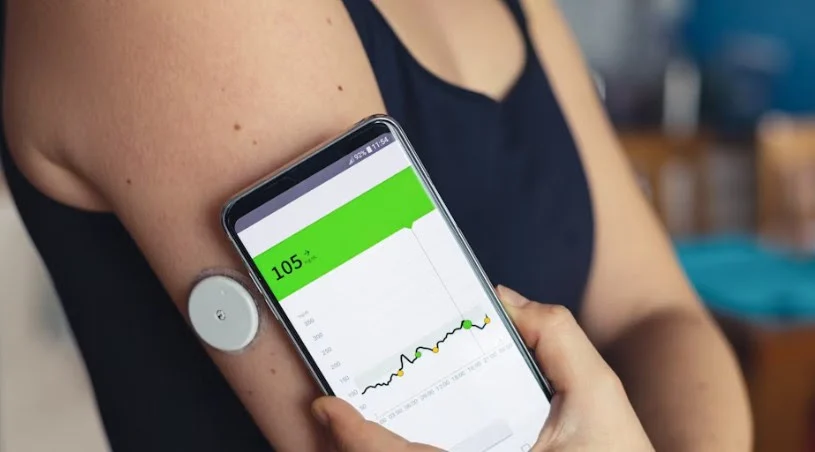
You may have seen someone wearing a small round sensor on the back of their arm. This may be a continuous glucose monitor, or a CGM. A CGM is a small device worn on the skin, often on the arm or belly. It checks glucose levels day and night and sends the number to a phone, receiver, or insulin pump.
Many CGMs update every few minutes, so you can see where your glucose is now and where it may be going. Today, glucose sensors are also available over the counter for some people with type 2 diabetes, pre-diabetes, and even adults without diabetes who want to learn more about how lifestyle affects their glucose levels.
As a wellness dietitian, I like CGMs because they give us a bigger picture of what glucose is doing throughout the day. The single finger stick is like taking a photo of your glucose at one moment.
A CGM is more like watching a movie of your day, showing when glucose rises, falls or stays steady. This can reveal patterns that may be missed with occasional finger-stick checks.
Your glucose naturally rises and falls throughout the day, so the goal is not a perfect flat line. Instead, use your CGM to get curious about what may be causing the changes. A rise after eating carbohydrates is normal and does not mean a food is “bad”. Instead, look for patterns you can learn from.
You might notice that a 10-20 minute walk after a meal can help lower blood sugar by helping your muscles use glucose for energy. A high fat meal may cause glucose to rise more slowly and stay longer because fat slows digestion. You may also see glucose rise when you wake up even before you are eating, because morning hormones can tell your liver to release glucose to help your body get ready for the day.
These patterns can help you better understand how your body responds to food, portions, physical activity, sleep, stress, illness, and other daily factors. Blood work, such as fasting glucose or A1C, is still the best way to check for diabetes or prediabetes.
Helpful things to know before using a CGM
| What can help | What to keep in mind |
|---|---|
See daily patternsA CGM can show how meals, snacks, drinks, exercise, sleep, stress, and illness may affect glucose. This can help people with diabetes, prediabetes, or general wellness goals. |
Not every rise is a problemGlucose often rises after eating and then comes back down. For many people without diabetes, these changes are normal. |
Guide small changesCGM data may help you test habits, such as walking after meals, adding protein at breakfast, or improving sleep. |
It does not diagnose diabetesA CGM is a learning tool. It does not replace lab tests such as fasting glucose or A1C. |
Help with diabetes careFor people with diabetes, CGMs can help spot highs, lows, and overnight trends. Reports can be shared with the care team. |
Cost and comfort matterCoverage, price, skin irritation, alerts, and wearing a device may affect your choice. |
Why a CGM reading may look “off”
CGMs are helpful. Sometimes a CGM number may not match how you feel. A CGM measures glucose in the fluid under your skin, not directly from your blood, so readings may be a little different from a finger stick.
Pressure on the sensor while sleeping can also cause false low readings. Certain medications or supplements may affect some CGMs, so check the instructions for your device.
If a CGM reading does not match your symptoms, confirm with a finger-stick meter if you have one. A dietitian or diabetes care team can also help you understand your CGM patterns and connect them with your meals, activity, sleep, stress, and medications. Rather than focusing on one high or low number, they can help you look at the bigger picture and decide which changes may be helpful.
Do you need to have diabetes to use one?
Not always. Some glucose sensors are now sold without a prescription. Dexcom Stelo is designed for adults 18 and older who are not using insulin, including people with prediabetes or type 2 diabetes. Abbott Lingo is also available over the counter for adults who are not using insulin.
The ADA states that there is not enough evidence to use CGM for diagnosis; blood tests such as fasting glucose and A1C remain important.
For more information, call the Tahoe Forest Wellness to schedule a consult with a dietitian: (530) 587-3769.
Dietitian tip
If you try a CGM, don’t chase every number. Use it as a learning tool. Ask yourself: What happens when I change my meal, portion, or activity? The goal isn’t perfect for glucose – it’s using the information to make choices that support your health.
By: Sarah Bernhoit, RDN, Tahoe Forest Health System

Upcoming Health & Wellness Events
Wise Minds
Did you know your brain begins to undergo changes up to 20 years before noticeable symptoms appear? While some factors are beyond our control, there are many impactful steps we can take to support and protect our brain health!
Learn how lifestyle habits can work together to boost memory, improve focus, and lower the risk of cognitive decline. Whether you want to preserve your brain health or support someone you love, this series will give you the tools and confidence to cultivate a sharp and resilient mind.
Wise Mind Series is a FREE program featuring speakers and various topics, including nutrition, physical activity, sleep, mental health, cognitive games, and more!
September class: Virtual grocery store tour: Learn to meal prep with brain healthy foods with Dietician Sarah Bernholt
This session explores the principles and practical strategies of geriatric care coordination that help older adults age safely and independently in their homes. With Jackie Griffin, RN BSN GCN.
When: September 2nd, 4 to 5:30 pm
Cost: FREE
Location: Eskridge Conference Room Tahoe Forest Main Hospital
4-Week Metabolic Wellness Series
If you’re using a weight loss medication this comprehensive four-week program provides the education, tools, and support to help you achieve lasting results.
Led by a Registered Dietitian and a Certified Exercise Specialist/Health Coach, you’ll learn:
- How nutrition and GLP-1 medications work together to support metabolism
- Healthy eating strategies, meal planning, and symptom management
- Exercise routines that boost metabolism and help preserve muscle mass
- Body composition analysis and personalized fitness guidance
- Mindful eating techniques and sustainable habit-building
- The important roles of stress management, sleep, and long-term wellness planning
When: 4-week series happening on Wednesdays starting on September 2nd, 4 to 5 pm
Cost: $99 for the 4-week series
Location: Tahoe Forest Wellness
Weigh to Go: Weight Loss Support Group
If you’re looking for ongoing accountability and encouragement, our 11-week support program provides expert coaching and the power of community. Led by Registered Dietitian Lisa Fligor, participants explore healthy eating habits, exercise patterns, and the relationship between food, weight, and overall wellness. The program includes weekly group sessions and individual check-ins with your dietitian during off weeks to help keep you on track.
When: 11-week series and 1-1 touch base with your dietitian on off weeks starting on September 23rd from 5:30 to 6:45 pm
Cost: $150 for the 11-week series
Location: Tahoe Forest Wellness
Tahoe Forest Cooking Club
Join us for monthly healthy cooking demos.
Get out of your cooking rut and come get INSPIRED at our monthly Health Supportive Cooking Club! Each month, our Registered Dietitian Lisa Fligor, MS, RDN, will provide a fun and interactive cooking demo. You get to taste test and take home easy, healthy, and delicious recipes!
September class: Lovely lunches
Say goodbye to boring lunches! In this cooking demo, you’ll learn how to pack balanced, flavorful meals that keep you energized all day. We’ll share simple prep tips, easy recipes, and smart strategies for building lunches that are nutritious, satisfying, and perfect for work, school, or on the go.
When: September 28th, 5 to 6:30 pm
Cost: $30
Location: Tahoe Forest Wellness – 10833 Donner Pass Rd, Truckee
Prevent T2 – Diabetes Prevention Program
1 out of 3 American adults has prediabetes. If you have prediabetes, you can make changes now to improve your health and PREVENT type 2 diabetes.
The Prevent T2 lifestyle change program can help you lose weight, become more physically active, and reduce stress.
With Prevent T2, you get:
- A proven program to prevent or delay type 2 diabetes
- A CDC-approved curriculum and trained lifestyle coach
- A year-long program with weekly meetings for the first 6 months, then once or twice a month for the second 6 months
- Support from others like you as you learn new skills
Join the Prevent T2 program so you can keep doing the things you love.
When: October 5, 2026 to September 20, 2027, 4 to 5:15 pm
Cost: FREE
Location: Tahoe Forest Wellness, Truckee
Call Tahoe Forest Wellness to schedule your program at (530) 587-3769.

Recipe of the Month: Perfect Fall Salad
Ingredients:
For the salad:
- 9oz bag of Broccoli Slaw (if not available -1 head broccoli (5-6 cups), very finely chopped)
- 1 (15 ounce) can of chickpeas, rinsed and drained
- 2 cups diced honey crisp apples (from about 2 medium honey crisp apples)
- 1 cup shredded carrots (or 1 cup matchstick cut carrots)
- ⅓ cup diced green onion
- ⅓ cup dried cherries
- ⅓ cup chopped pecans
- ½ cup chopped flat leaf parsley
For the dressing:
- 3 tablespoons olive oil
- 1 ½ tablespoons apple cider vinegar
- 1 tablespoon Dijon mustard
- ½ tablespoon honey
- 1 clove of garlic, minced
- Freshly ground salt and pepper, to taste
To garnish:
- Extra cherries and pecans
Directions:
- In a large bowl, add finely chopped broccoli, chickpeas, apples, carrots, green onion, dried cherries, pecans, and parsley. Set aside.
- Make the dressing by whisking together the following ingredients in a small bowl: olive oil, apple cider vinegar, Dijon mustard, honey, garlic, salt and pepper. Immediately drizzle over salad and toss to combine.
- Taste and add more salt and pepper, if necessary. Garnish with extra cherries and pecans and serve immediately or place in the fridge for later. Salad will keep well up to 5 days.
Prep time: 15 minutes
Serves 4

Community Bulletin
Credible Minds – Tahoe Forest Community Health
Life can be challenging – there’s no way around it. Work or school can be stressful, relationships may face rough patches, and financial worries can weigh heavily. Resilience is the ability to recover and adapt when facing these difficulties. By learning to bounce back and move forward, you strengthen your capacity to grow and thrive. Research shows that developing resilience skills can enhance decision-making and performance under pressure. In other words, when the next challenge arises, you’ll be better prepared to manage it effectively. Building resilience can also reduce stress-related illness and boost your overall well-being. Explore the resources below to learn how you can strengthen your resilience.
Visit the Credible Minds Topics of Resilience
Truckee Recreation Center: Golden Hour
Join TFHS Physician Assistant Melissa Rider and Steve Forrest for Counting Penguins, an armchair trip to Antarctica. Learn about these adorable birds and discover what studying penguins can teach us.
When: Thursday, September 24th, 9-11 am
Where: Truckee Recreation Center, 10981 Truckee Way, Truckee
Cost: FREE
Truckee Recreation Center hosts a free weekly social event for seniors on Thursdays. All are welcome!
Find more information on Golden Hour.