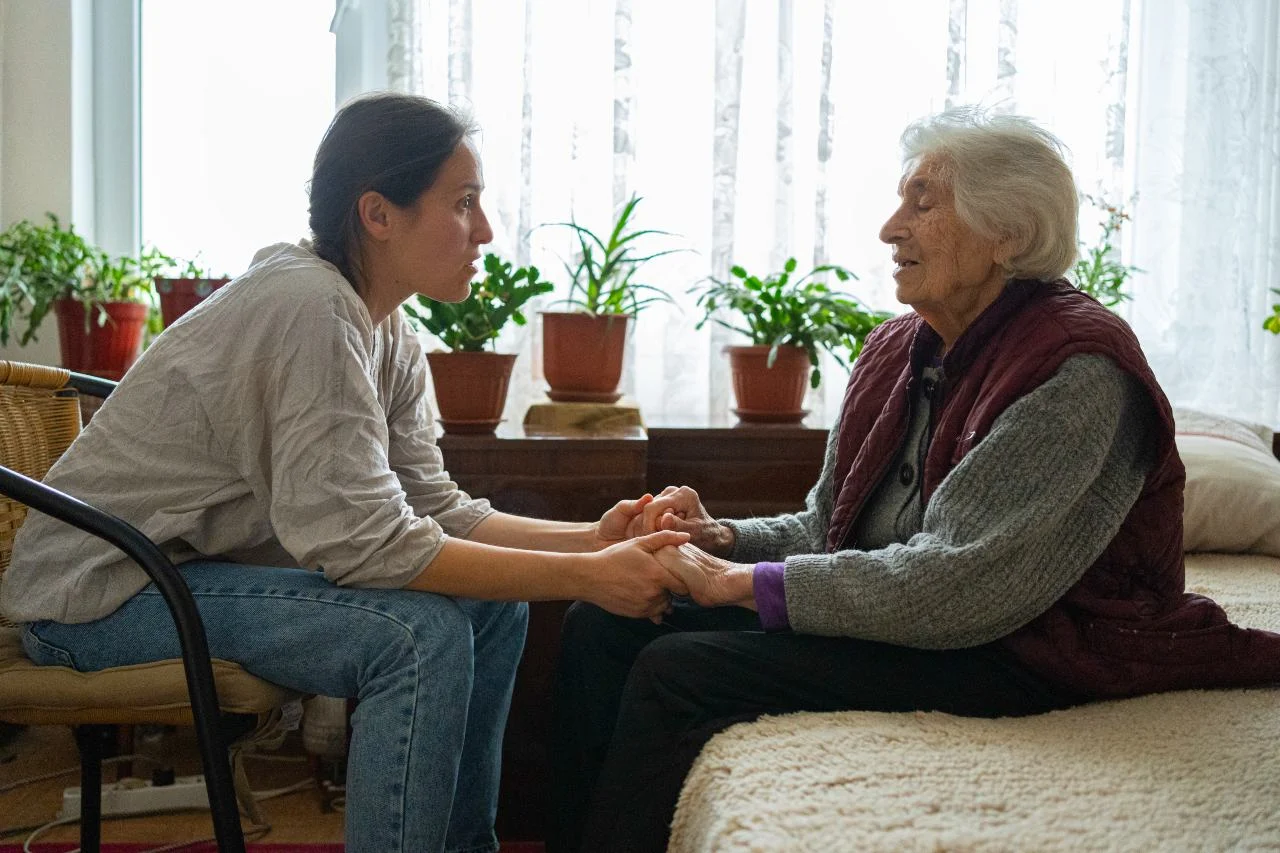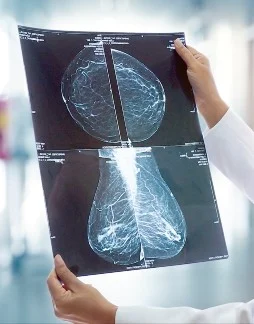
Recovery from a stroke is a journey that looks different for every person
The information on this page is intended to help stroke survivors and their caregivers understand what to expect after leaving the hospital, what types of rehabilitation are available, and how to support emotional health along the way.
If you were treated at Tahoe Forest Health System, you should have received specific follow-up instructions from your care team before discharge.
If you have questions about your instructions or are having trouble scheduling appointments, contact the Tahoe Forest Stroke Care Coordinator at (530) 550-6715 (available Wednesday, Thursday, and Friday).
More stroke resources
First steps
The weeks following a stroke are critical. In general, patients are advised to:
- 1Follow up with your primary care doctor within 1 week of discharge
- 2Follow up with a neurologist within 2 weeks of discharge
- 3Follow up with a cardiologist within 2 weeks of discharge, if applicable
- 4Follow up with a vascular doctor within 2 weeks of discharge, if applicable
- 5Begin or continue physical, occupational, or speech therapy as directed
- 6Complete any additional testing or imaging ordered by your care team
If you live outside the Tahoe Forest area, your primary care doctor can help coordinate follow-up appointments, therapy, and additional testing.
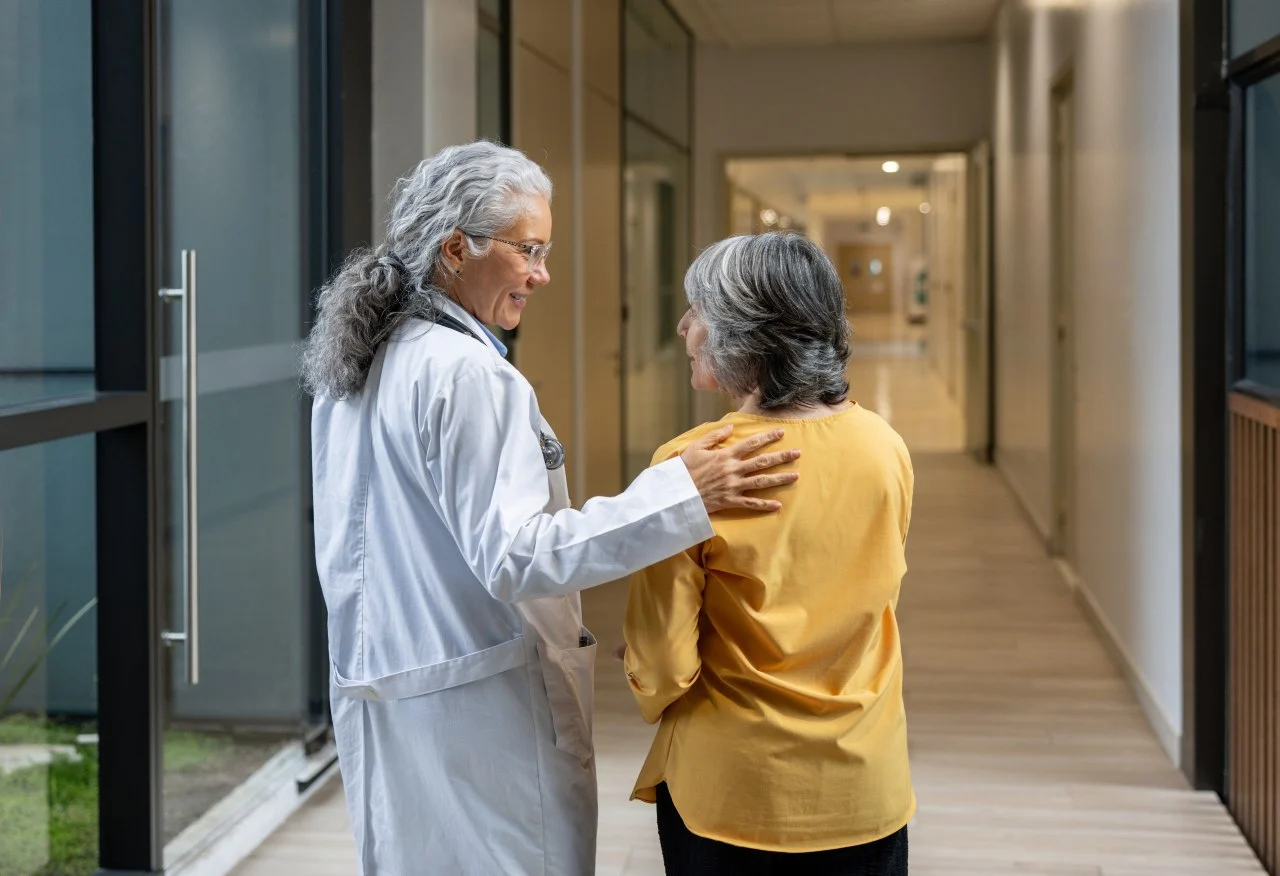
Rehabilitation
Rehabilitation is one of the most important phases of stroke recovery. Of the nearly 800,000 people who experience stroke each year, approximately two-thirds require rehabilitation services. Stroke-related challenges that rehabilitation can address include:
Recovery is possible because the brain is highly adaptable. With proper training, it can reorganize and take on functions damaged by stroke — a process known as neuroplasticity. Patients may relearn skills directly, or learn new ways to perform tasks they could do before.
Rehabilitation typically begins in the hospital within 48 hours of stroke. Even limited movement, such as changing positions in bed, supports recovery. Over time, a care team of specialists works with the patient to rebuild strength and independence.
Rehabilitation settings
After leaving the hospital, patients may continue rehabilitation in one of the following settings:
Inpatient rehabilitation: Freestanding or hospital-based facilities where patients receive intensive physical, occupational, and speech therapy five to six days per week for at least three hours per day. Average length of stay is two to three weeks.
Outpatient rehabilitation: Patients attend several hours of coordinated therapy sessions, typically three days per week, and return home each night. Often part of a larger hospital complex.
Skilled nursing facility: Offers rehabilitation services beyond those of a traditional nursing home, though typically fewer hours of therapy than inpatient rehabilitation.
Long-term care facility: Provides ongoing basic nursing care and assistance with everyday activities.
Home health rehabilitation: Therapy provided in the patient’s home, helping them navigate their actual living environment. Best suited for patients focusing on one type of therapy.
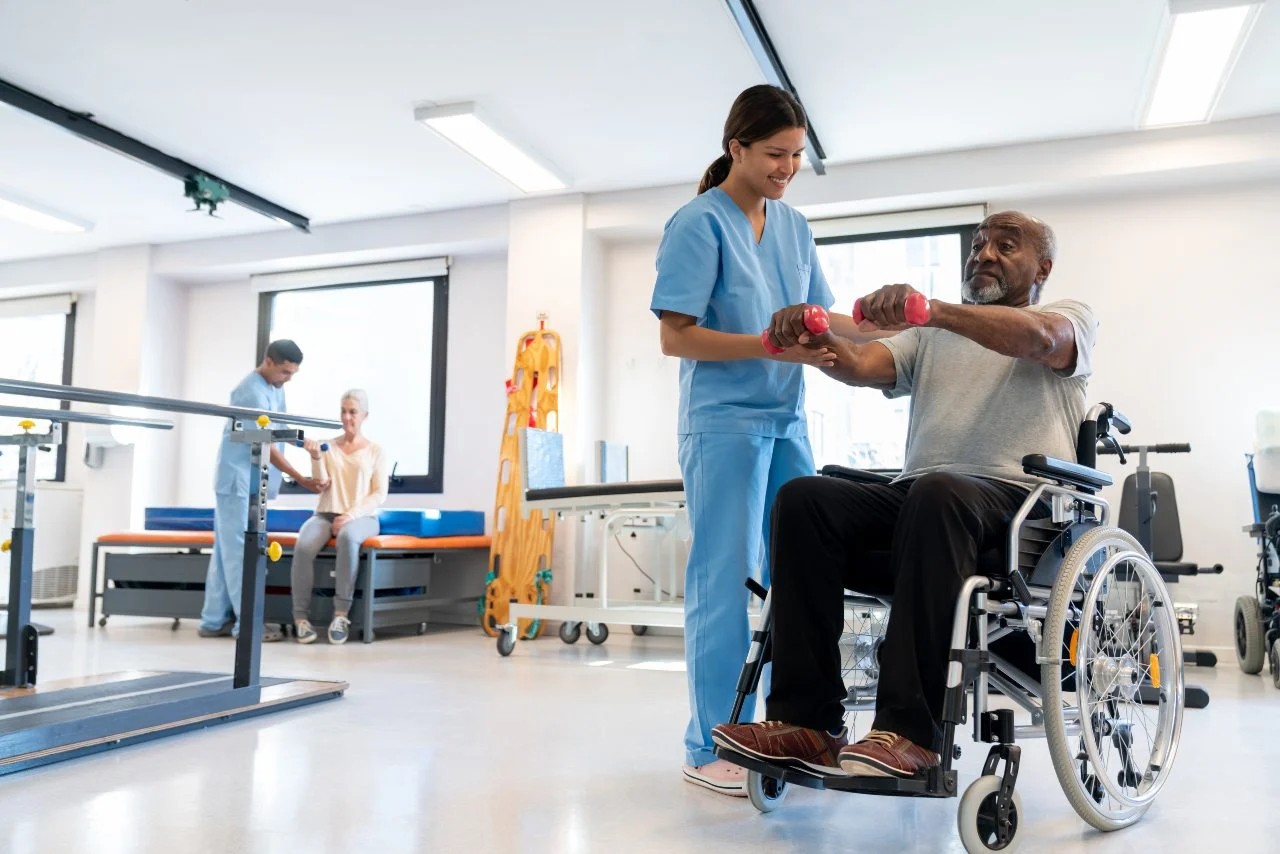
Rehabilitation specialists
A stroke rehabilitation team may include:
Virtual reality in rehabilitation
Emerging research shows that virtual reality (VR) technology can meaningfully enhance stroke rehabilitation. VR works by engaging patients in a simulated environment where their body is represented as a virtual image, allowing them to practice movements and activities that may not be feasible in traditional therapy.
VR has been shown to support neuroplasticity, improve range of motion, and enhance cognitive skills. It can also help address one of the common barriers to recovery, which is loss of motivation, by incorporating game-like elements such as rewards and progress tracking. Tasks and challenges can be adjusted to each patient’s current abilities and increased as they improve. Talk to your care team about whether VR rehabilitation is available and appropriate for your situation.
Memory and cognition
More than half of stroke survivors develop some degree of cognitive impairment within the first year. Memory challenges after stroke can include difficulty recalling words, names, or stories; trouble learning new information; repeating oneself; or confusing details of events. Recovery varies from person to person.
Seek medical attention right away if you or someone you know experiences a sudden loss of memory or becomes very confused. Make an appointment with a doctor if you notice ongoing concerns such as getting lost in familiar places, inability to follow directions, or difficulty taking care of basic daily needs.
Helpful strategies
- Keep notepads handy to write messages and lists
- Display key information and schedules on a bulletin board
- Use a single consistent location for keys, glasses, and wallet
- Label rooms, pill boxes, and food with expiration dates
- Create a photo book of significant people and places
- Join a support group
Healthy habits that support brain health
- Stay socially connected by visiting friends and family or participating in community activities
- Keep your mind active through volunteering, hobbies, reading, or games
- Exercise regularly
- Limit alcohol and avoid smoking
- Get seven to eight hours of sleep each night
- Eat a healthy diet
- Manage chronic conditions such as high blood pressure and high cholesterol
- Get regular health screenings
Aphasia
Stroke can damage the brain’s language centers, causing a condition called aphasia, which involves difficulty expressing or understanding spoken or written language. The type and severity of aphasia depends on which area of the brain was affected.
Types of aphasia
- Expressive aphasia (Broca’s aphasia): The person understands speech but has difficulty expressing ideas
- Receptive aphasia (Wernicke’s aphasia): The person hears or sees words but cannot make sense of them and may produce fluent but meaningless speech
- Anomic aphasia: Difficulty recalling the right names for objects, people, places, or events; the least severe form
- Global aphasia: Cannot speak, understand speech, read, or write; the most severe form, caused by widespread damage to language centers
The most common treatment is speech-language therapy, in which survivors work with a speech pathologist to relearn language skills, develop alternative communication strategies, and address swallowing problems.
Emotional health
Stroke is a life-changing event, and emotional responses such as fear, sadness, and frustration are a natural part of recovery. In some cases, brain damage can directly affect personality, behavior, and emotional regulation. These challenges, combined with physical limitations, can contribute to clinical depression.
Depression
Depression is one of the most common emotional challenges after stroke. Signs include:
- Persistent sad, anxious, or empty mood
- Feelings of hopelessness, pessimism, or restlessness
- Changes in sleep habits
- Loss of interest in activities you used to enjoy
- Increased use of alcohol, drugs, or tobacco
- Changes in appetite
- Difficulty concentrating or finding motivation
- Thoughts of suicide
Depression is treatable. Talk to your healthcare provider about options including psychotherapy, medication, and support groups. Things that can also help:
- Engage in physical activity, even in small amounts
- Maintain regular sleep and meal schedules
- Connect with people you trust
- Avoid alcohol, nicotine, and unprescribed medications
- Postpone major life decisions until you feel more stable
If you are supporting a loved one with depression, offer encouragement, help them stick to their treatment plan, and remind them that with time and treatment, things can improve.
Self-esteem
It is common for stroke survivors to doubt their self-worth or withdraw from social activities. Building self-esteem takes time, but small steps can make a meaningful difference:
- Pay attention to your own needs and wants
- Spend time with people who make you feel good about yourself
- Do things that draw on your talents and abilities
- Take on small tasks you have been putting off
- Do something kind for someone else
Find ways to treat yourself well each day, such as a walk, a phone call with a friend, or time with something you enjoy.
Relationships and caregiving
Stroke often changes the dynamic between survivors and their partners or family members. Caregivers frequently take on responsibilities they did not anticipate, and the physical and emotional demands of that role can go unrecognized.
Grief
Grief is a normal response to the losses that can follow a stroke. Survivors and caregivers may move through some or all of the following stages, not necessarily in order and not all at the same pace:
- Denial: suspending reality as a way to adjust gradually
- Anger and frustration: intensified by damage to the brain’s frontal lobes, which regulate behavior and emotion
- Bargaining: focusing on what could have been done differently
- Depression: a natural response to physical limitations and loss of independence
- Acceptance: a growing sense of calm and new priorities over time
There is no right or wrong way to grieve. What matters is that you allow yourself the time and support you need.
Ways to support a loved one through grief
- Be patient and give them space
- Offer tasks they are able to do and acknowledge their efforts
- Encourage them to express feelings when they are ready
- Suggest attending a support group
Ways to support yourself
- Allow yourself time to grieve without self-blame
- Plan daily time for activities that are fun or relaxing
- Write in a journal
- Keep up friendships and hobbies where you can
- Connect with other caregivers
Moving forward
Staying engaged with life is an important part of long-term recovery. Some ideas:
- Connect with others: video calls, games with friends, community events, hobby groups, or reconnecting with old friends through alumni networks.
- Keep learning: museums, classes, book clubs, new physical activities like yoga or tai chi.
- Get involved: volunteering, community gardens, local theater, senior centers.
- Stay active: sports clubs, exercise classes, gardening, household activities.
- Build healthy habits: reading, practicing gratitude and mindfulness, cooking healthy meals, enjoying small daily pleasures.
Start with one or two new things and see how they feel. Recovery is not a race, and what works will be different for every person.