Eating Seasonally, One Surprise Vegetable at a Time
I have a bit of an addictive personality. My relationship with alcohol is a careful one, tinged by family history, and I’ve always had a gambler’s urge, willing to keep risking for the chance of reward, be it at the thrift store, on my skis, or even rockhounding.
That might explain my fascination with Community Supported Agriculture (CSA) programs, or perhaps I just love farm-fresh produce, clods of dirt and aphids and blemishes and all. Like most things in life, it’s probably a little of both.
The CSA model evolved to support small farms. In return for an advance investment, usually mid-winter, farmers provide a weekly box of mixed produce the following summer. Farmers get consistent funding at a critical time (before the growing season), and we get a variety of produce picked at its peak, gambling we’ll get (mostly) things we like.
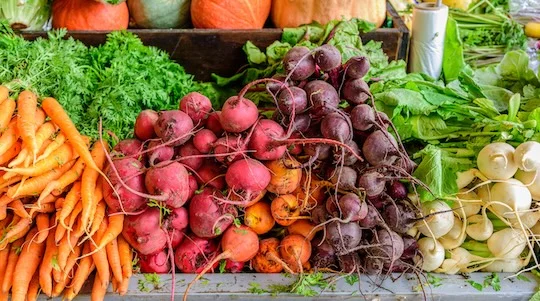
One common situation with CSAs is ending up with a lot of a single unusual vegetable. Four bunches of tatsoi? Three pounds of acorn squash? A bag of Jerusalem artichokes? Good luck. When I hit the jackpot and get bell peppers and sweet corn and tomatoes, life is easy. In the shoulder seasons, it’s time to get creative. I usually take one of three strategies with excess produce: puree and freeze, ask the internet, or peel and cook.
The first strategy, puree and freeze, is best for herbs and produce you can juice, like citrus or beets. Have three bunches of basil? Mix with a bit of olive oil and puree, then pour into ice cube trays and freeze. Pull out a cube when you want to make a pesto or add flavor to pasta or stir fry. Ditto for cilantro or parsley. Try the same process for juicing – freeze the juice in an ice cube tray and then add a beet juice cube to a smoothie or a lime juice cube to a soup. A lemon ice cube in water is the start of an excellent mid-summer refresher.
The second strategy, ask the internet, is just what it sounds like: ask your favorite forum or search engine “What can I do with _____?” I never would have discovered shakshuka, turnip-apple mash, groundnut stew, massaged kale salad, or carrot greens chimichurri without the wonderful, weird wilderness of the world-wide web.
The final strategy, peel and cook, is about the extra bits, usually stems, that often go to waste. Don’t compost those broccoli stems, kale stems, or asparagus ends – peel (if needed, like broccoli stems), then slice finely and cook well, sautéing or stir-frying with other sturdy ingredients like onions. Broccoli stems are actually delicious raw; once peeled, the stems are mild and crunchy. And save those beet greens and stems! Well rinsed, thinly sliced, and gently cooked, they provide a flavorful and heart-healthy nutrient boost.
So: if life hands you rutabaga, be prepared (hint: a big sharp knife and lots of butter). Support your local farmers’ market this summer and embrace the slot-machine thrill of each mystery box, confident you can make something to savor with whatever you’ve won that week.
By Bret Sarnquist, RDN, Wellness Dietitian, Tahoe Forest Health System
- * Featured
- Anniversary
- Board of Directors
- CA Office of the Governor
- Children's Health
- COVID-19
- Employee Highlights
- Gene Upshaw Memorial Tahoe Forest Cancer Center
- Health & Wellness
- Health System Foundation - Giving
- Incline Village Community Hospital
- Informational Brochures & Guides
- Nevada County Public Health
- Orthopedics & Sports Medicine
- Patient Success Stories
- Tahoe Forest Health System
- Women's Health