Tahoe Forest Health System and its Wellness services address seasonal winter challenges through programs, newsletters, and community workshops, with added steps during winter weather emergencies.
Risks
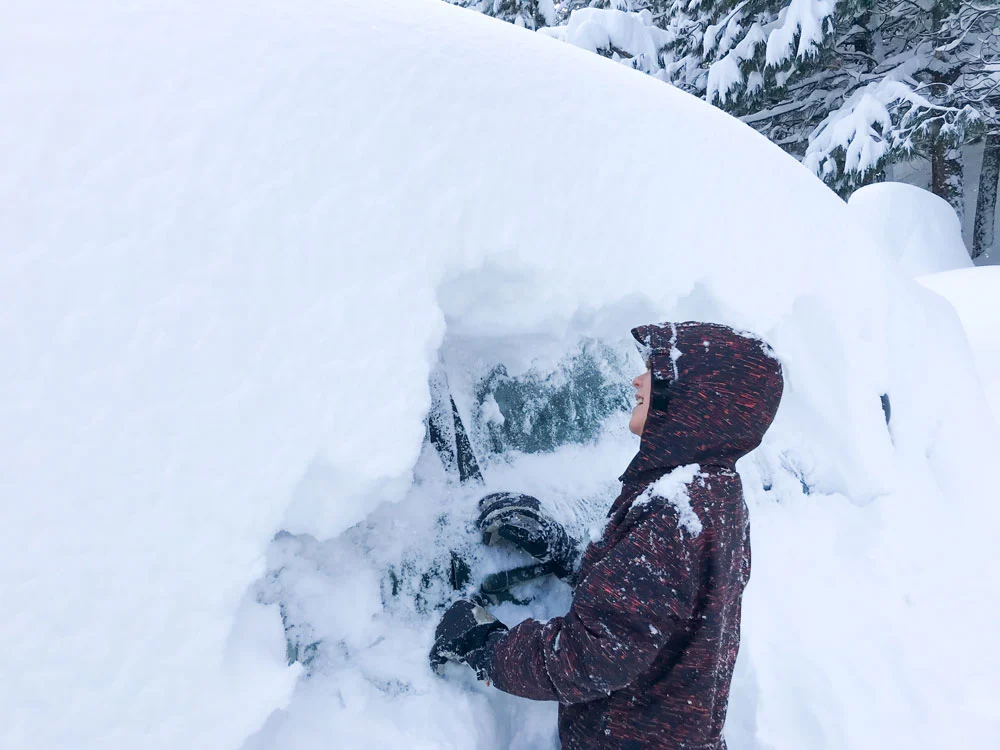
- Mountain chill and exposure: Truckee and Tahoe winters regularly dip between 10–40 °F, with intense wind and snow creating rapid temperature drops and icy conditions.
- Snow and storms: Heavy snowfall and blizzards can cause power outages and isolation.
- Altitude effects: Cold air at approximately 6,000 feet feels more biting. Breathing is harder, adding stress on your body.
Local info
- Wellness workshops and e‑Newsletters: TFHS publishes winter-focused content, covering flu prevention, fall-risk, safe winter travel, and indoor air quality. Check the TFHS Wellness News archives for December–February editions.
- Climate and snow: Truckee and Tahoe experience a humid continental climate with heavy snowfall—average 206 inches per year, frequent sub-freezing nights (approximately 229 per year), and hazardous winter storms.
- Storm preparedness alerts: Town of Truckee and Tahoe Donner recommend stocking emergency kits with water, canned food, flashlights, blankets, warm clothes, and backup heating or flashlights.
- Community warming center: The Emergency Warming Center is open only on the most severe weather nights, November – April. The center provides our guests a warm, dry, safe place to stay overnight.
Who’s vulnerable?
- Older adults, infants, young children
- People with cardiac, respiratory issues
- Outdoor workers or rescuers
- Hikers, skiers, snowmobilers, and pets
- Anyone caught in traffic or power outages during storms
Illnesses
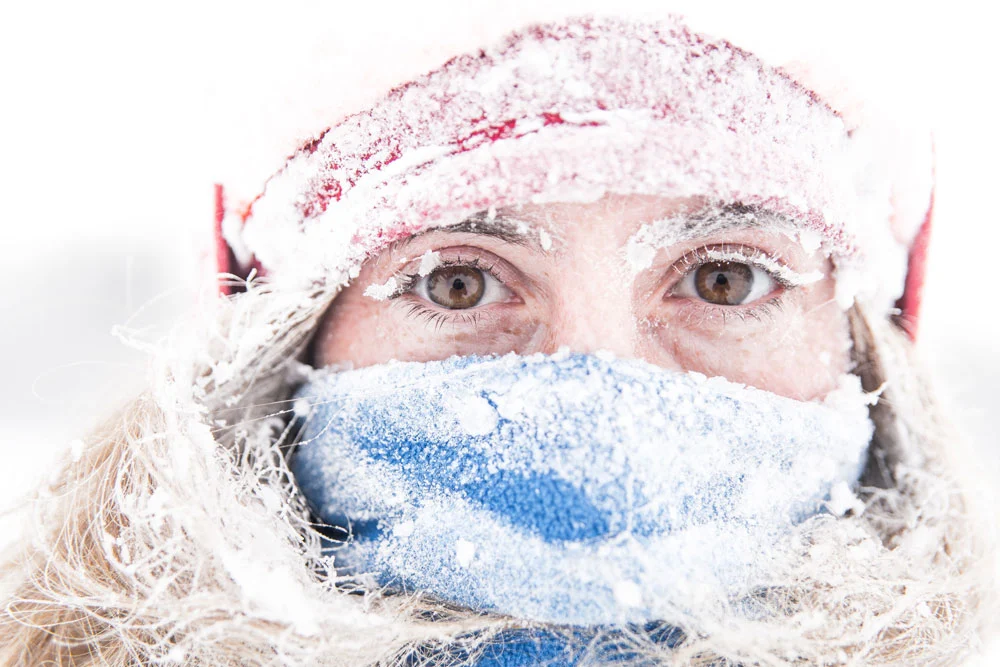
- Frostbite: Affects extremities (fingers, toes, ears, nose)
- Early signs: numbness, redness
- Advanced signs: white or grayish skin
- Hypothermia: When core temperature drops below 95 °F
- Symptoms: shivering, slurred speech, slow breathing, confusion
- This is considered a MEDICAL EMERGENCY. Call 911 or visit the Emergency Room.
Warning signs
| Condition | Signs | What to do |
|---|---|---|
| Frostbite | Numbness, white/gray skin |
|
| Hypothermia | Shivering, confusion, slow breath |
|
Call 911 immediately for hypothermia, deep frostbite, or if someone can’t walk or is confused.
Prevention
1. Dress in layers
- Base layer: moisture-wicking (avoid cotton)
- Middle layer: insulating (fleece, wool)
- Outer layer: windproof, waterproof
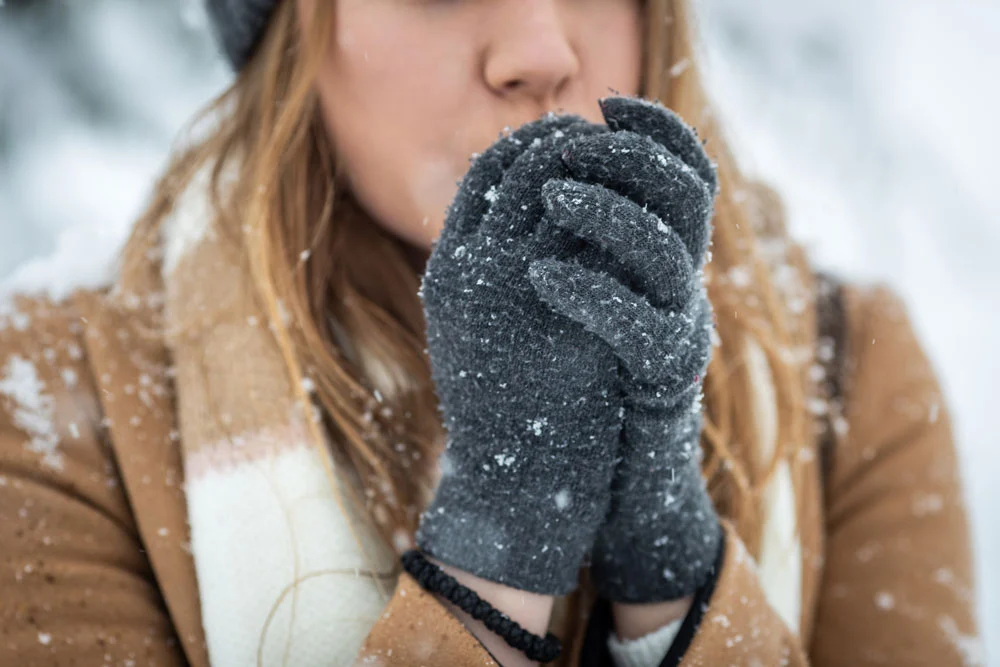
- Include hat, scarf, gloves/mittens, warm socks, boots
2. Plan outdoor activities
- Check the Truckee-Tahoe Travel Alert for weather, air quality, and road/sled zone conditions.
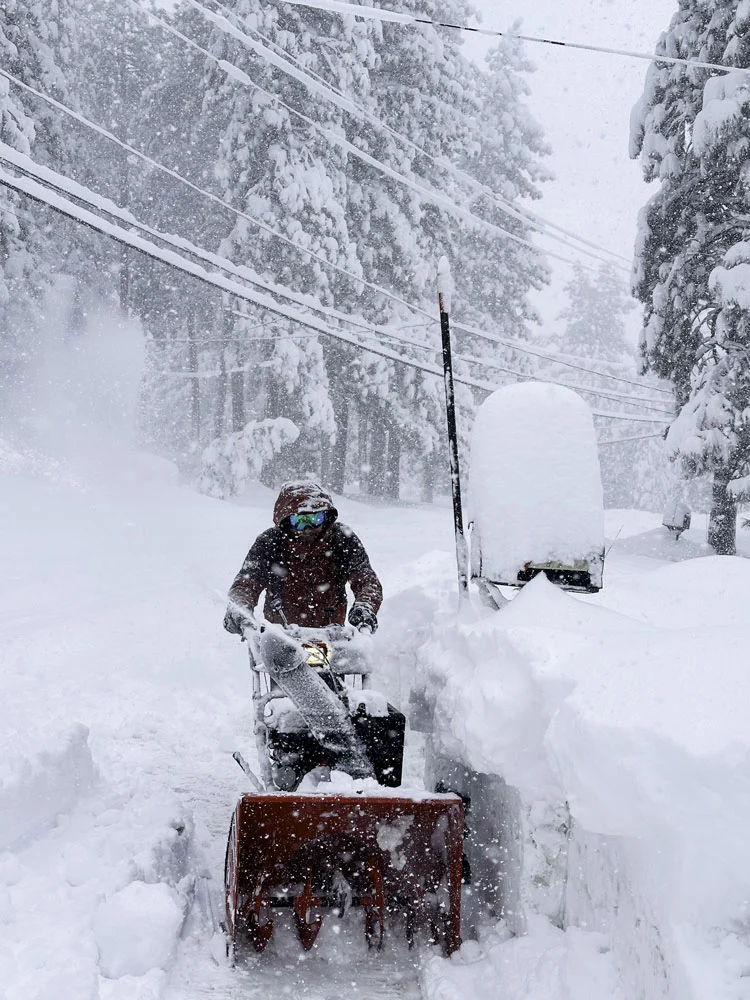
- Avoid strenuous snow shoveling, overexertion can stress the heart
- Watch out for ice, use traction aids and step slowly
3. Be storm-ready
- Stock emergency kits: flashlights, batteries, blankets, non‑perishable foods, water, camp stove, fuel, ice scraper
- Keep faucets slightly dripping to prevent frozen pipes; leave cabinet doors open to warm plumbing
4. Practice snow travel safety
- Keep tire chains. Know chain-control areas on Interstate 80 and over Donner Pass.
- Pack supplies (food, water, blankets, shovel) in your vehicle.
- Avoid non-essential travel during storms. Check Caltrans QuickMap and NVroads.
5. Prevent indoor emergencies
- Maintain three- foot clearance around space heaters; never use charcoal grills or generators indoors.
- Use flashlights or battery lanterns and avoid open flames.
6. Keep your body fueled
- Eat high‑energy, protein‑rich foods and stay hydrated, even cold weather can dehydrate you.
- Avoid caffeine and alcohol. They contribute to heat loss and dehydration.
7. Protect pets
- Provide draft‑free dog houses with bedding; keep pets indoors when possible.
- Never leave pets in cars. Cold temperatures can be lethal.
- More pet safety tips
Be prepared
- Monitor weather, avalanche, and road conditions via local alerts and Sierra Avalanche forecasts.
- Maintain an emergency kit at home and in vehicles.
- Dress smart and stay fueled.
- Check on at-risk friends or neighbors
- Ensure heating systems and plumbing are working.
- If trapped, stay with your vehicle. Run engine periodically for heat and crack a window.
Resources
- Tahoe Forest Hospital and ER – (530) 587‑6011 (open 24/7)
- TFHS Urgent Care – for non-emergency care
- Sign up for emergency alerts: Tahoe Alerts makes emergency notification registration easy for residents and visitors across the Tahoe region
- Coverage Areas: Placer, El Dorado, Nevada, Douglas, Alpine, and Washoe counties, as well as Truckee, Carson City, and South Lake Tahoe
- Visit TahoeAlerts.com to sign up
- Enter your address or location
- Let the system identify the right emergency notification system for you
- Be prepared for power outages: Read our Visitor’s Guide to Wildfire Safety Power Outage (PSOMs)
- Sign up for text alerts from TDPUD: Opt in to text alerts by texting “TDPUD” to 333111