The risk
- Smoke travels far: Even smoke from distant wildfires can worsen Truckee-Tahoe’s air quality, often without us realizing it quickly.
- Hazardous particles: Fine soot penetrate deep into lungs and bloodstream, triggering respiratory and cardiovascular issues.
- Short and long-term effects: Acute exposure causes coughing, throat irritation, wheezing, and exacerbation of asthma/COPD. Long-term or repeated exposure can increase risks for lung disease, heart problems, and even diminished lifespan.
Who’s vulnerable?
- Children and infants
- Older adults
- Pregnant individuals
- People with lung or heart conditions, including asthma or COPD
- Outdoor workers, athletes, and pets
- Adults with low immune response or sensitivities
Protect yourself
1. Check the air quality
- Use AirNow.gov or Fire.AirNow.gov to view current AQI, especially the PM level
- Truckee-Tahoe’s local alert systems (Nixle, CodeRED) will flag unhealthy air days
- Read the Living with Smoke Guide
2. Limit outdoor exposure
- When AQI is 101+ (unhealthy), minimize outdoor time, especially activities that involve heavy breathing like hiking or biking.
- Consider indoor exercise or clean-air recreation at places like TFHS facilities.
3. Create a clean indoor space
- Keep doors and windows closed. Set HVAC or A/C to “recirculate” mode
- Use HEPA purifiers or install a MERV 13 filter in your HVAC.
- Avoid indoor smoke sources, like smoking, candles, gas/wood stoves, or aerosol sprays.
4. Mask-up when needed
- Only use NIOSH‑certified N95 or P100 respirators when outdoor exposure is necessary.
- Cloth/surgical masks don’t filter PM.
- Ensure proper fit—tight seal around nose/mouth.
- Avoid if facial hair breaks the seal.
5. Stay hydrated and healthy
- Drink plenty of water to hydrate airways and help clear particulates.
- Rest indoors if you experience coughing, wheezing, chest tightness, or fatigue.
6. Special precautions for pets
- Keep pets inside during smoky conditions.
- Reduce their outdoor time and limit strenuous play.
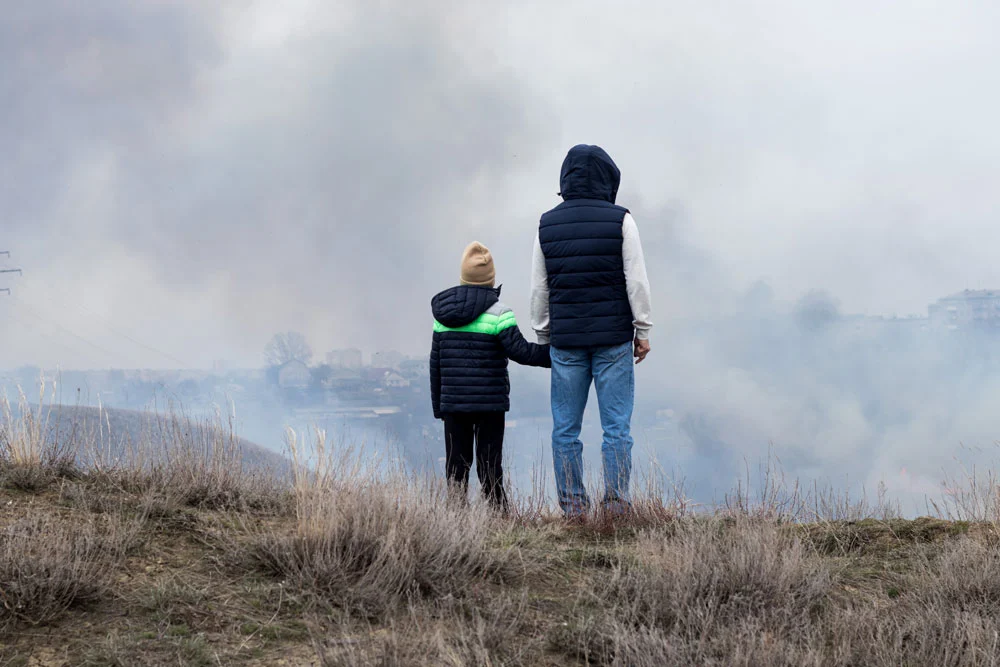
Warning signs
- Mild symptoms: coughing, sore throat, watery/itchy eyes, mild shortness of breath
- Severe signs: chest pain, dizziness, persistent coughing, increased breathing difficulty, wheezing, disorientation — especially in vulnerable people
If symptoms worsen or do not improve, see your primary care provider or go to Tahoe Forest Hospital ER. If it’s an emergency, Call 911 or dial (530) 587‑6011.
Resources
- Tahoe Forest Health System Truckee campus
- Urgent Care
- 24/7 Emergency Department—dial (530) 587‑6011
- AQI alerts and information:
- Truckee Fire Protection District notifications
- AirNow.gov for live AQI
- State and federal health advisories
- Clean air spaces: Libraries, community centers, and TFHS spaces offer respite during poor air days
- N95 mask distribution: Available via local health centers and community relief programs during smoke events
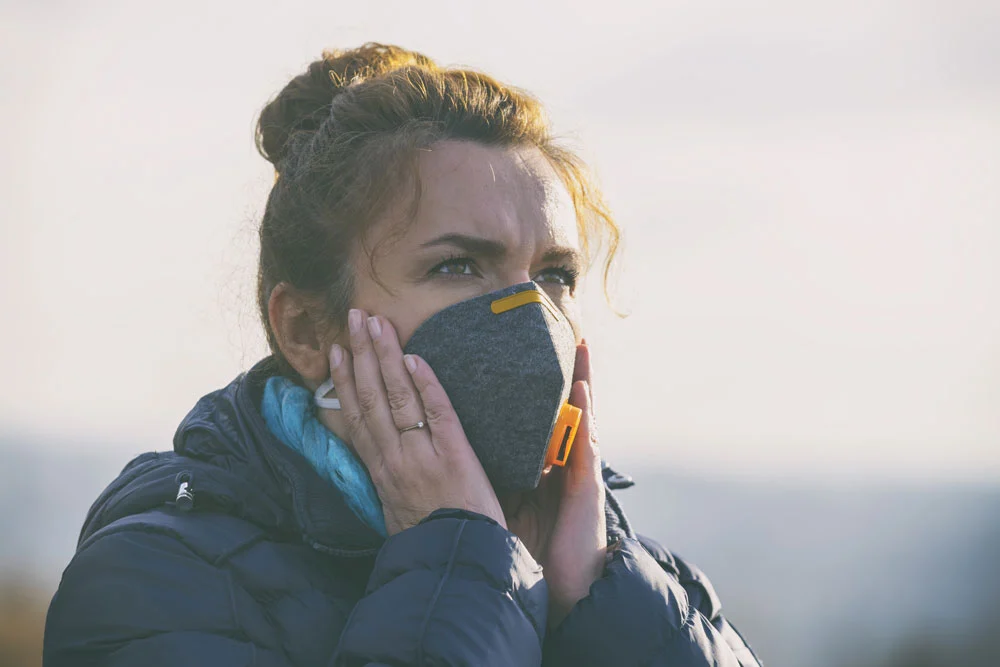
Checklist
- Check current AQI before heading out.
- Wear N95/P100 mask when outdoors if AQI is unhealthy.
- Set HVAC to recirculate, use HEPA/MERV-13 filters.
- Keep windows and doors closed.
- Drink water and monitor symptoms.
- Watch kids, elders, and pets closely.
- Know when to seek medical help.
What to know before visiting: Visit Truckee-Tahoe Wildfire Season Guide