What’s the risk?
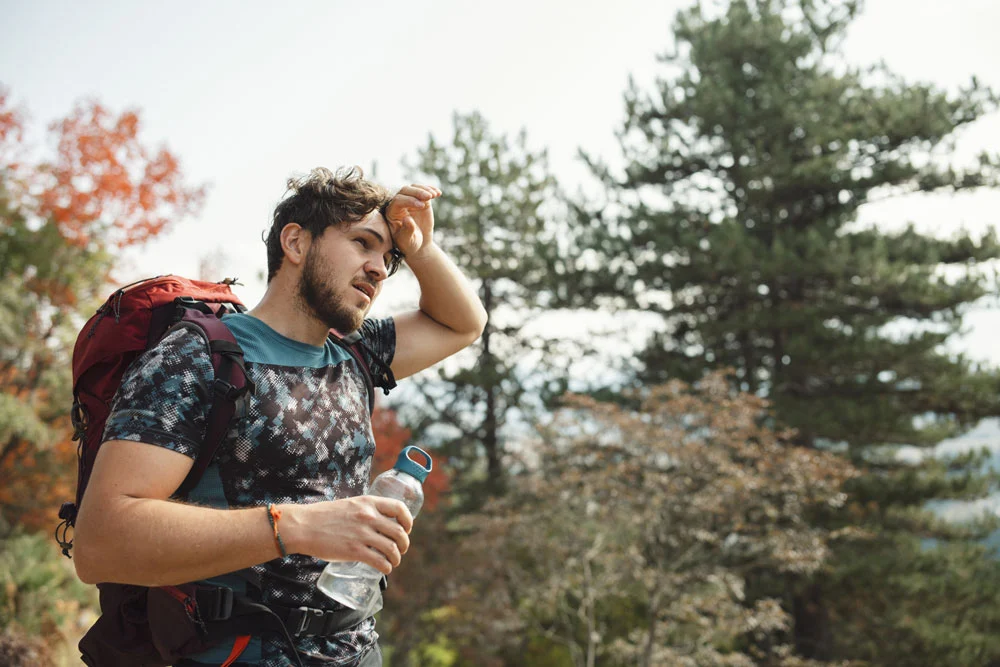
- Summer highs and altitude: The Truckee-Tahoe region often sees daytime temperatures in the 80 and 90s°F, and with intense sunshine and low humidity, the heat feels more extreme.
- Outdoor recreation heat: Hiking, biking, and yard work can quickly lead to overheating at altitude.
- Indoor exposure: Even shaded areas or homes without air conditioning can become dangerously warm.
Heat‑related illnesses
- Heat cramps: Painful muscle contractions from dehydration or low salt
- Heat exhaustion: Symptoms include heavy sweating, weakness, headache, dizziness, nausea.
- Heat stroke: High body temperature (>104 °F), confusion, loss of consciousness. This is a medical emergency.
Pay close attention if you notice signs of confusion, slurred speech, or fainting, seek emergency care promptly.
Who’s vulnerable?
- Young children and infants, as well as older adults
- People with chronic health issues (heart, kidney, or psychiatric)
- Outdoor workers and athletes
- Pets left in hot vehicles or spaces
Prevention tips
1. Hydrate smartly
- Drink plenty of water, even before thirst hits
- Add electrolytes (sports drinks, coconut water) during prolonged exercise
- For workouts: Start hydrated and sip 4-6 ounces for every 20 minutes of activity
2. Dress appropriately
- Choose light-colored, loose-fitting, breathable fabrics
- Wear a hat, sunglasses, and sunscreen (SPF 30+)
- Carry shade (umbrella or stretch over your head) during outdoor breaks
3. Plan around the sun
- Avoid strenuous activity between 11 am and 4 pm, when UV and heat peak
- Schedule hikes or yard work for early morning or evening
4. Stay cool indoors
- Use fans, AC, or evaporative coolers.
- Spend a few hours a day in shaded or cooled spaces, like libraries, community centers, or TFHS facilities.
5. Recognize warning signs
- Mild: heavy sweating, muscle cramps, fatigue
- Moderate: headache, nausea, lightheadedness
- Severe: hot/dry skin, confusion, fainting
- Call 911 or go to Tahoe Forest Hospital’s ER immediately if someone shows heat stroke symptoms.
6. Support the vulnerable
- Check in often with older relatives or neighbors. Ensure they are cool and hydrated.
- Never leave kids or pets unattended in cars, even for a few minutes—it can heat up fast.
7. Be aware of altitude effects
- Lower oxygen makes your heart work harder, so rest more frequently.
- Recognize the added risk of rapid dehydration at high elevation.

TFHS resources
- Community workshops and newsletters: Check out our Health & Wellness Class Calendar and Tahoe Forest Wellness News for resources.
- Urgent care and emergency services: Tahoe Forest Health System provides 24‑hour Emergency Care and Urgent Care via Tahoe Forest Hospital in Truckee and Incline Village Community Hospital in Incline Village.
Stay informed
- Wildfire and air quality: The U.S. Forest Service maintain alerts for wildfire and smoke. Air quality advisories are available via official channels, like the U.S. Forest Service.
- Power outages during fire weather: Advance notices (24–48 hours) for Public Safety Power Shutoffs help residents prepare for heat or loss of AC.
- Stay informed: Follow TFHS wellness e‑newsletters, sign up for Nixle alerts, and monitor air quality and fire conditions.