Getting Ready for Winter
November is here, and in the Tahoe area, that means ski season is just around the corner! As we transition from fall activities to winter adventures, now is a great time to prepare our bodies for the demands of skiing, snowboarding, and other cold-weather activities.
Whether you’re a seasoned athlete, a weekend warrior, or simply enjoy staying active outdoors, a little preparation can go a long way toward keeping you moving comfortably throughout the season. Our goal is to help you stay active, prevent injuries, and continue doing the things you love.

Provider Spotlight
Selene Martinez Quinones
Sports Technician
Please join us in welcoming Selene Martinez Quinones, our new Sports Technician in Sports Medicine!
Selene graduated from Spanish Springs High School and brings approximately seven years of experience as a Certified Medical Assistant (MA) to her new role. Her background and experience make her a wonderful addition to the Sports Medicine team.
Outside of work, Selene loves to read and especially enjoys being an aunt to her nieces, who lovingly call her “Tatia”.
We’re excited to have Selene on the team and look forward to all she will bring to Sports Medicine. Welcome, Selene!
Contact info
Tahoe Forest Sports Medicine & Therapy Services
10710 Donner Pass Road, 2nd floor, Truckee, CA 96161
Tahoe Forest Orthopedics & Sports Medicine
10051 Lake Avenue, Ste. 3, Truckee, CA 96161
(530) 587-7461 | tfhd.com/orthopedics-sports-medicine
Incline Orthopedics & Sports Medicine
880 Alder Ave, 2nd Floor, Incline Village, NV 89451
Featured Therapy
Build your foundation for ski season
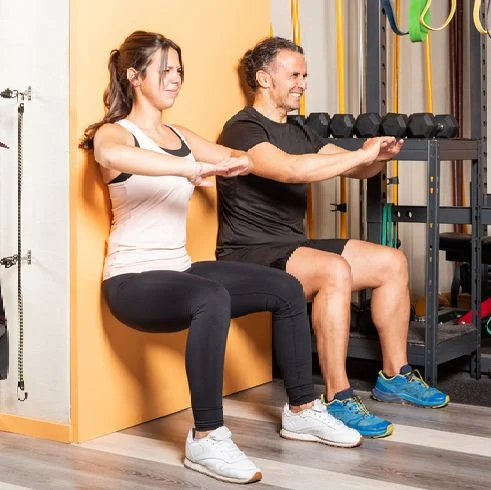
The wall sit
Wall sits are a simple way to build quadriceps and lower-body endurance before hitting the slopes. Strong legs help support control and stability during skiing and snowboarding.
How to do it:
- Stand with your back against a wall and your feet about shoulder-width apart.
- Slowly slide down the wall into a comfortable, shallow squat.
- Keep your knees aligned with your feet and your back supported against the wall.
- Hold for 15–30 seconds while breathing normally.
- Slide back up and rest before repeating.
Start with 2–3 repetitions, adjusting the depth and hold time to your fitness level.
PT tip: Consistency matters more than intensity. Combine lower-body strengthening with balance work, core exercises, and cardiovascular activity to help prepare for the season.
If you have knee pain, a recent injury, or difficulty with this movement, consult a physician or provider.
Injury Prevention Corner
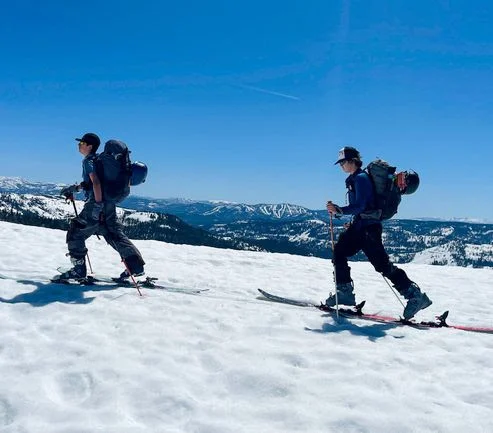
Don’t let fatigue call your last run
Keep these tips in mind this season:
- Start gradually: Ease into your first day on the mountain rather than immediately tackling your most challenging terrain.
- Warm up: Spend a few minutes walking and performing dynamic movements before your first run.
- Stay hydrated and fueled: Cold weather can make it easy to overlook your body’s needs.
- Check your equipment: Ensure your helmet fits properly and have your bindings checked by a qualified ski technician.
- Listen to your body: If your legs feel heavy, your balance is off, or your concentration is fading, take a break or call it a day.
- Watch: Essential ACL Injury Prevention Exercises for Winter Athletes video
Q&A: Your sports medicine questions answered
Q: How far in advance should I prepare for ski season?
A: Ideally, begin building strength, balance, and endurance several weeks before your first day on the mountain. If you’re starting now, focus on consistent, manageable workouts and gradually increase the challenge as your fitness improves.
Q: Is it normal to feel sore after my first day skiing?
A: Mild muscle soreness can occur when returning to an activity after a break. Gentle movement, adequate sleep, and recovery time may help. Sharp pain, significant swelling, instability, or symptoms that worsen or persist deserve medical evaluation.
Q: Should I ski if I have a lingering knee or shoulder injury?
A: It depends on the injury, your symptoms, and your current strength and function. Skiing before you’re ready may aggravate an existing problem. Consider an individualized assessment with a qualified healthcare professional to help determine a safe return to activity.