Celebrating Physical Therapy Month
October is National Physical Therapy Month! We’re celebrating our Physical Therapy team and the important role they play in helping patients move better, recover from injury, manage pain, and return to the activities they love.
Physical therapy goes beyond recovery; it can help people of all ages stay active, independent, and confident in their movement. Our Sports Medicine, Orthopedics and Therapy Services teams work together to provide care focused on both recovery and injury prevention.
Thank you to our Physical Therapy team for the expertise, compassion and dedication you bring to our patients every day!
Provider Spotlight
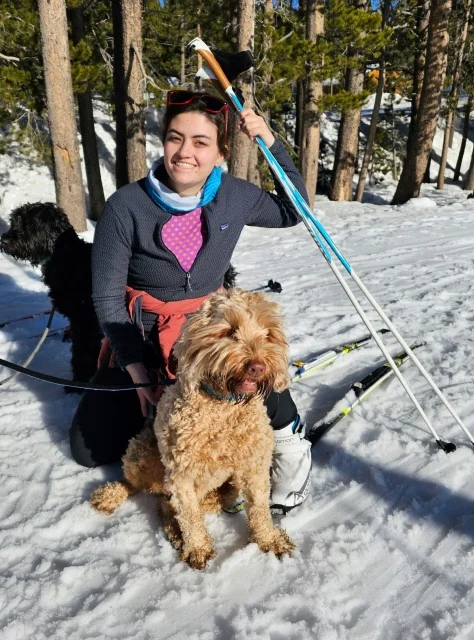
Megan Dalicandro
PT, DPT
Megan completed her Bachelor of Science in Exercise Science at Creighton University, followed by her Doctorate of Physical Therapy at the University of Southern California.
Megan is passionate about working with patients of all ages and helping them return to the activities they love. She was drawn to physical therapy because of the opportunity to treat a wide variety of conditions and support patients through all stages of life. She focuses on providing individualized, patient-centered care tailored to each person’s unique needs and goals. Megan has a special interest in working with athletes of all ages, as well as the pediatric population.
Megan grew up in Truckee and enjoys taking advantage of everything the area has to offer. In her free time, she enjoys spending time outdoors through hiking, skiing, boating, wake surfing, and camping, as well as spending time with family, friends, and her dogs.
Contact info
Tahoe Forest Sports Medicine & Therapy Services
10710 Donner Pass Road, 2nd floor, Truckee, CA 96161
Tahoe Forest Orthopedics & Sports Medicine
10051 Lake Avenue, Ste. 3, Truckee, CA 96161
(530) 587-7461 | tfhd.com/orthopedics-sports-medicine
Incline Orthopedics & Sports Medicine
880 Alder Ave, 2nd Floor, Incline Village, NV 89451
Featured Therapy
Physical Therapy is More than Rehabilitation
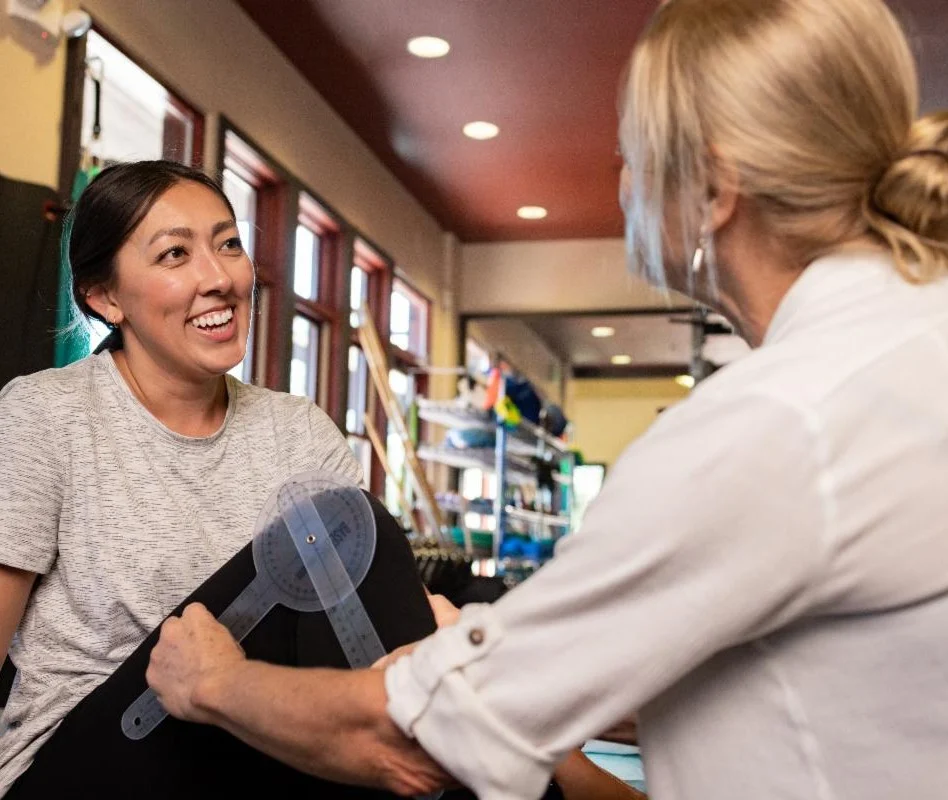
Many people think of physical therapy as something that happens after an injury or surgery. While rehabilitation is an important part of physical therapy, PT can also help identify movement limitations, improve strength and mobility, manage chronic conditions, and reduce the risk of future injury.
A physical therapist may evaluate:
- Strength and muscular imbalances
- Joint mobility and range of motion
- Balance and coordination
- Walking and running mechanics
- Flexibility
- Pain with movement
- Sport- or activity-specific movement patterns
- Functional movements needed for work and everyday life
Treatment is tailored to each patient’s goals, whether that means returning to skiing or running, hiking with family, getting back to work, or simply moving with less discomfort.
Injury Prevention Corner
Strength is One of Your Best Tools
You don’t have to wait until you’re injured to start thinking about injury prevention.
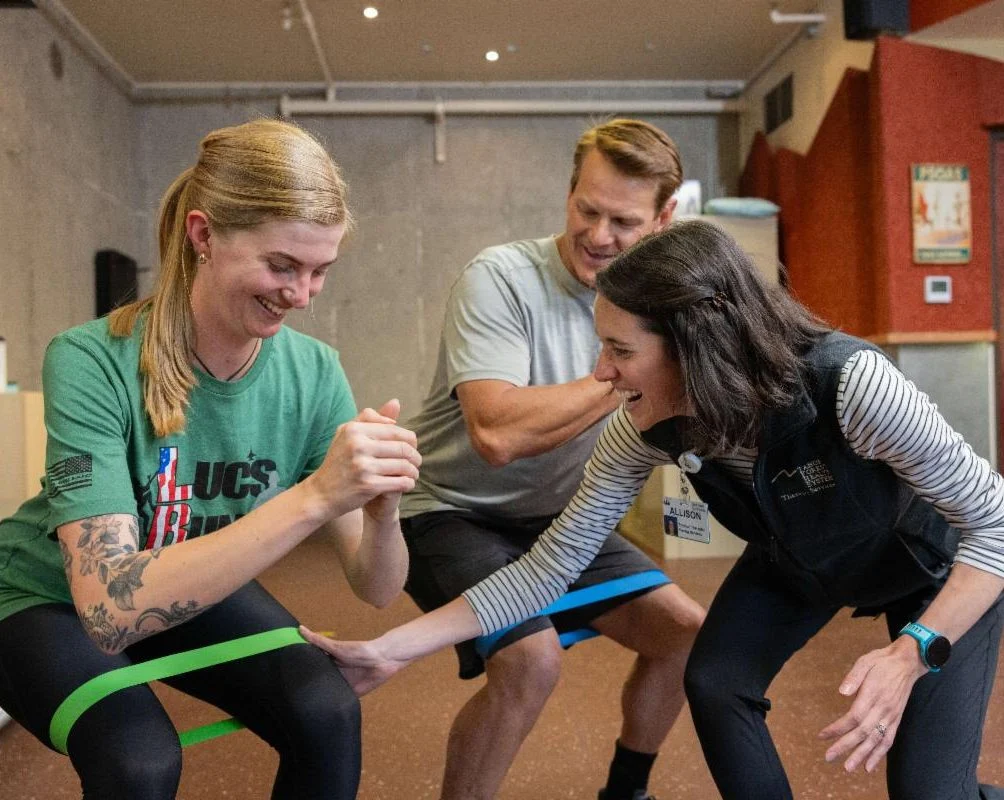
Building and maintaining strength is one of the most important ways to support healthy movement. Strong muscles help stabilize joints, absorb forces, maintain balance, and prepare the body for the demands of sports, recreation, work, and everyday activities.
A well-rounded program should include:
- Lower body strength – Squats, lunges, step-ups, bridges, and calf raises can help strengthen the muscles supporting the hips, knees, and ankles.
- Upper body strength – Rows, presses, carries, and pulling exercises can help support shoulder, neck, and upper-back function.
- Core strength – A strong trunk helps transfer force between the upper and lower body and provides stability during movement.
- Balance & coordination – Single-leg exercises and dynamic balance activities can improve body awareness and control.
There isn’t one exercise program that prevents every injury. A physical therapist can help identify individual weaknesses or movement limitations and develop a program appropriate for your activities and goals.
Q&A
Q: I don’t have a major injury, but something doesn’t feel quite right when I’m active. Should I wait until it gets worse before seeing someone?
A: No. You don’t need a major injury to benefit from physical therapy.
Pain, stiffness, weakness, changes in balance, or difficulty performing an activity can all be reasons to seek an evaluation. Addressing a problem earlier may provide an opportunity to identify contributing factors before they become more limiting.
Physical therapists can assess how you move, determine whether strength, mobility, balance, or other factors may be contributing to your symptoms, and develop an individualized plan.
You also don’t need to be a competitive athlete. Whether your goal is returning to a sport, getting back on the mountain, keeping up on the trails, playing with your kids, or simply staying independent and active, physical therapy can help you work toward the activities that are important to you.