From the Ground Up: Foot & Ankle Health
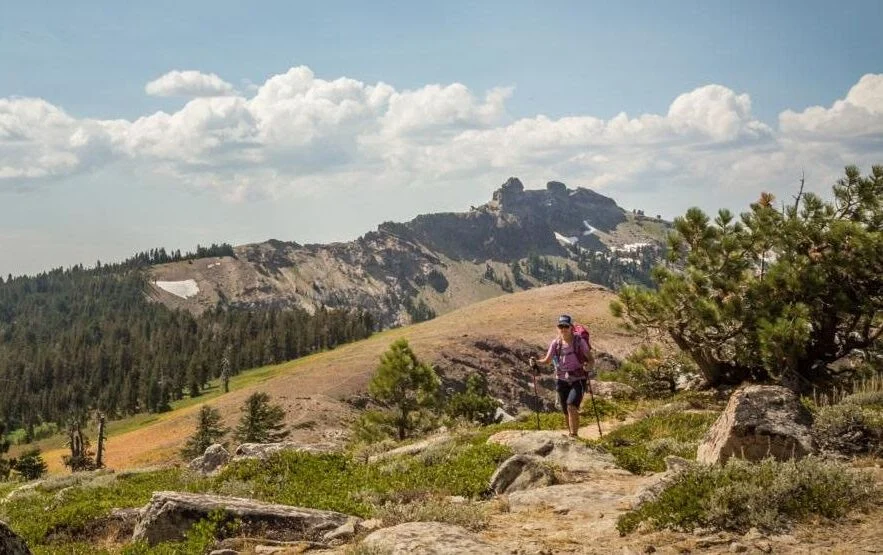
Whether you’re hiking around Donner Summit, running Tahoe’s trails, walking the dog, playing a fall sport, or simply spending a long day on your feet, your feet and ankles do a lot of work.
The foot and ankle provide the foundation for nearly every activity we do. They absorb impact, adapt to uneven surfaces, help maintain balance, and transfer force as we walk, run, jump, and change direction. When something isn’t working well at the foot or ankle, it can sometimes affect movement farther up the body, including the knees and hips.
September is a great time to pay a little more attention to what’s happening from the ground up.
Provider Spotlight
Saray Garcia Valdez
Sports Technician
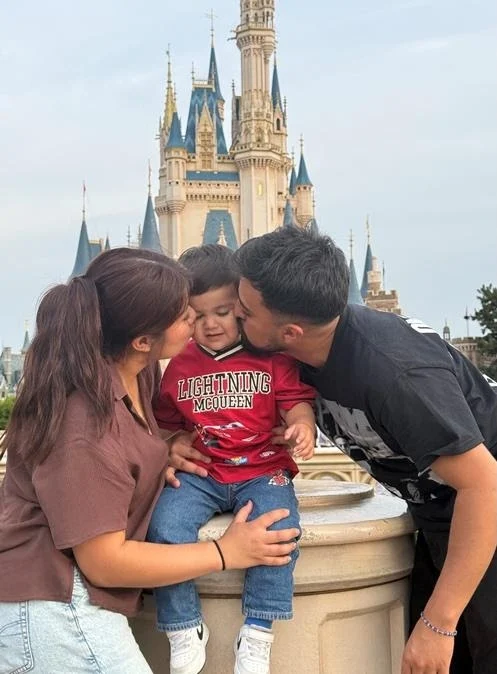
Truckee-born and raised, Saray is a true Tahoe local! Growing up in the mountains taught her the value of hard work, kindness, and of course, appreciating every opportunity to get outside. Whether she’s going for a walk, spending a day at the lake, or enjoying time with family and friends, Saray loves making the most of everything our area has to offer.
Her favorite role, though, is being a mom. Her son is her biggest blessing, biggest motivation, and keeps life plenty busy!
Saray has been part of the Tahoe Forest Health System family for nearly five years and currently works with Sports Medicine as a Sports Technician. She enjoys being part of each patient’s journey, from the initial injury through recovery and getting back to the sports, hobbies, work, and everyday activities they love.
Working in Sports Medicine is an especially good fit for Saray because she gets to care for the same active community she grew up in. She loves seeing how motivated our community is to stay active, healthy, and doing the things that make living in Tahoe so special.
When she’s not helping keep Tahoe moving, you’ll probably find Saray enjoying the outdoors, spending time with the people she loves, and making memories with her son!
Contact info
Tahoe Forest Sports Medicine & Therapy Services
10710 Donner Pass Road, 2nd floor, Truckee, CA 96161
Tahoe Forest Orthopedics & Sports Medicine
10051 Lake Avenue, Ste. 3, Truckee, CA 96161
(530) 587-7461 | tfhd.com/orthopedics-sports-medicine
Incline Orthopedics & Sports Medicine
880 Alder Ave, 2nd Floor, Incline Village, NV 89451
Featured Therapy
Ankle Sprains Aren’t Always “Just a Sprain?”
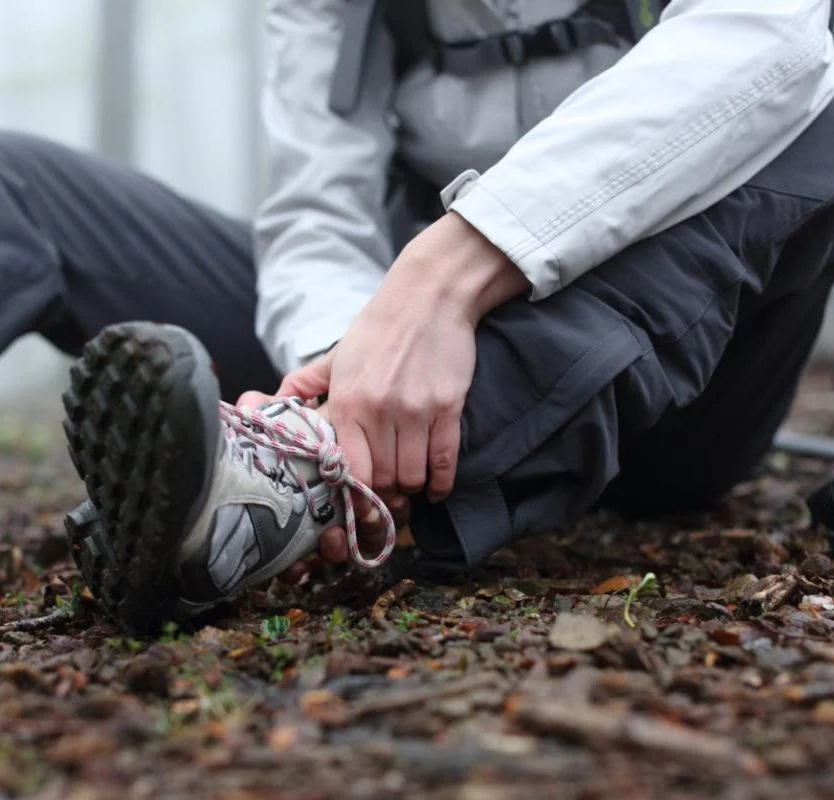
You step off a rock, land awkwardly during a game, or catch the edge of the trail, and suddenly your ankle rolls.
Ankle sprains are common, but that doesn’t mean they should always be ignored.
After an ankle sprain, pain and swelling may improve while deficits in strength, balance, mobility, and coordination remain. Returning to activity before those areas recover can contribute to repeated ankle sprains or a feeling that the ankle continues to “give way.”
Following an ankle injury:
- Gradually restore comfortable ankle movement.
- Work on strength through the ankle, foot, and lower leg.
- Reintroduce balance and single-leg activities.
- Progress walking, running, jumping, and direction changes based on your activity.
- Don’t rely on pain alone to determine whether you’re ready to return.
Significant swelling or bruising, inability to comfortably bear weight, tenderness directly over a bone, deformity, numbness, or symptoms that aren’t improving are reasons to seek further evaluation.
Contact Tahoe Forest Sports Medicine or Orthopedics for an evaluation.
Sports Medicine: (530) 582-7488
Orthopedics: (530) 587-7461
Injury Prevention Corner
Protect Your Ankles
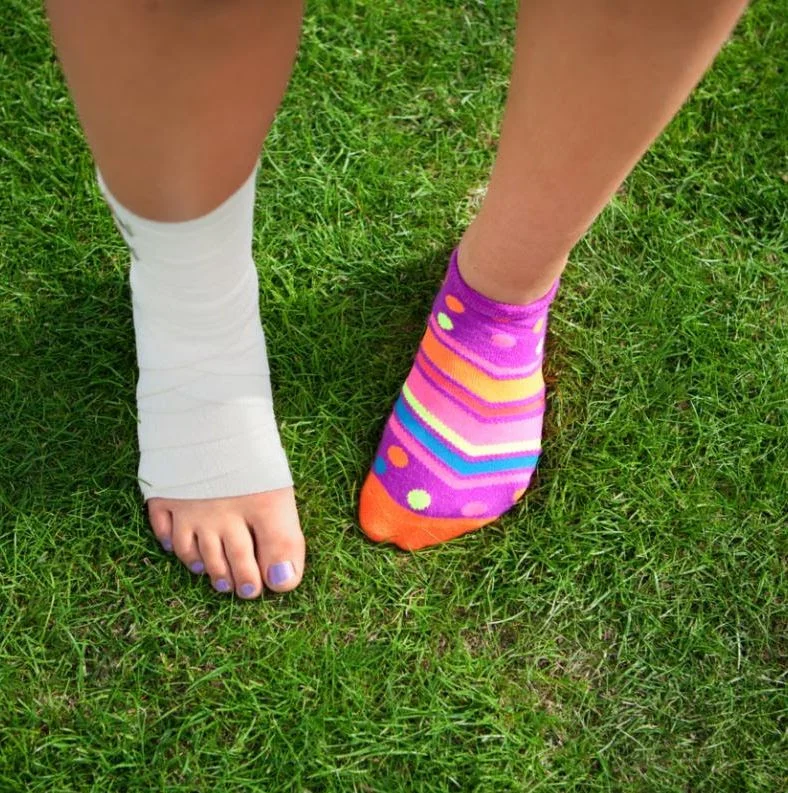
If you’ve sprained your ankle before, you may be more likely to sprain it again, especially if strength, balance, and control haven’t fully returned. Repeated ankle sprains can contribute to chronic ankle instability, where the ankle frequently feels unstable or “gives way.”
The good news is that targeted training can help improve ankle stability and reduce the risk of future sprains.
- Build balance and control.
- Strengthen the ankle and lower leg.
- Practice movements specific to your activity.
- Don’t forget ankle mobility.
- Fully rehabilitate previous sprains.
Tahoe takeaway: Strong ankles aren’t just important for athletes. They help you react when you step on a loose rock, hit an unexpected root on the trail, walk across uneven ground, or eventually find yourself navigating variable snow and ice.
Q&A: You Rolled Your Ankle… Now What?
Q: I rolled my ankle. What should I do first?
A: Start by giving it a little time to settle down. Relative rest, gentle movement as tolerated, and compression or elevation can help with comfort and swelling. Ice can also be used if it feels good. As things improve, gradually getting the ankle moving again is usually an important part of recovery.
Q: Should I stay off it completely?
A: Not always! If you can walk comfortably, gentle movement and gradually returning to normal activity can be helpful. Let pain and swelling help guide how much you do.
Q: How long does an ankle sprain take to heal?
A: It depends on the sprain. Some mild ankle sprains start feeling much better within a week or two, while others may take several weeks. The important part is making sure your strength, balance, and confidence come back along with feeling better.
Q: When can I get back to my sport or favorite activity?
A: When you can comfortably do the things your activity requires. For a Tahoe trail runner, that might mean running and navigating uneven ground. For an athlete, it could include jumping and changing direction. For others, it may simply mean walking around the neighborhood or hiking without discomfort or instability.
Q: What if my ankle keeps rolling?
A: That’s worth addressing! Previous ankle sprains can affect balance and strength even after the pain is gone. A few targeted exercises may be all you need to help your ankle feel stronger and more confident again.
Bottom line: Give your ankle time to recover, keep it moving as you’re able, and don’t forget about rebuilding strength and balance before jumping right back into everything you love to do.